
Director
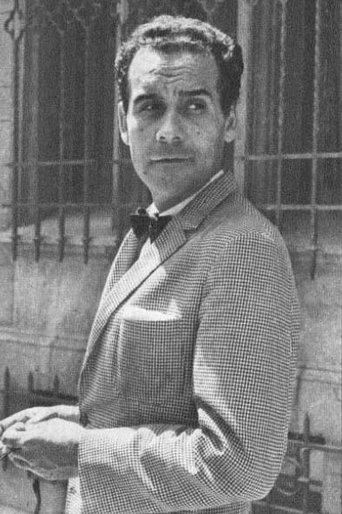
Helvio Soto
Born 1930 · Santiago de Chile, Chile
Helvio Soto Soto was born in Santiago on February 21, 1930. He was a Chilean filmmaker, considered one of the most important filmmakers of the mid-1960s and 1970s. He went to law school, a career he never practiced. At a very young age, and hearing the call of communications, he emigrated from Chile, achieving some positions as assistant in films shot in Argentina and working in radio in Ecuador. He wrote some books such as Semana a semana, which had regular critical success. By the time it returns to Chile, the cinema begins to present a boom never seen before: the entry of 16 mm cameras plus the socio-political conceptions give a renovating air to the cinema made not only in this part, but also in Latin America. His first film, influenced by neo-realism and its social conception, was entitled Yo tenía un camarada (I had a comrade) and was made thanks to the support of Experimental Cinema of the Universidad de Chile in 1964. In those years, Experimental Cinema brought together young directors who, in an avant-garde and carefree attitude, began to film reality as it had never appeared on a screen before. Pedro Chaskel in editing, Héctor Ríos in photography and Gustavo Becerra in music would end up being the backbone of a group of key filmmakers of the period, and from where the first films of Raúl Ruiz, Miguel Littín, Álvaro Ramírez, Carlos Flores del Pino, Leonardo Céspedes and a wide range of documentary filmmakers would go down in history as the forgers of the New Chilean Cinema. After his first short films, he shoots what would become his most remembered and controversial film, Caliche Sangriento. Censored by the government of Eduardo Frei Montalva due to the pressure of the military, it could see the light after an agreement that compromised the elimination of some posters that hurt the suceptibility of those years. The film was widely distributed for this reason, but once it was shown, little and nothing was said in the press. Assumed Salvador Allende in 1970, Helvio Soto is called to take charge of administrative tasks in the National Television of Chile, where he exercised parallel to his work as director of some television series. It was not until 1971 that he was able to make his next feature film Voto + fusil, a critical look at Chile's history that was received irregularly. Later, he filmed a feature film that mixed fiction and documentary and that would never be shown in Chile since a coup d'état abruptly cut off the democratic processes developed until then. His first "European" film is perhaps the greatest success of his career. Llueve sobre Santiago portrays the days of the coup d'état, torture, kidnappings and disappearances. It was acclaimed in Europe, Asia and North America, but banned by the military regime. Helvio Soto suffers exile in distant lands and does not return to Chile until the 1990s, where he devotes all his energies to training new generations of filmmakers.
Directed
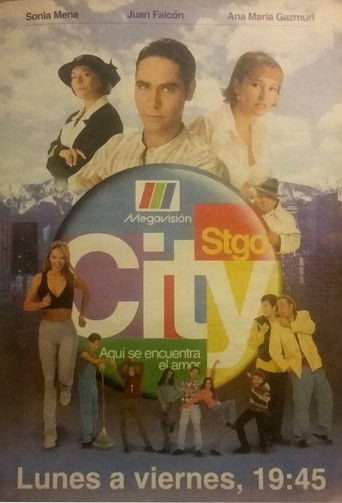
Santiago City
Director · 1997
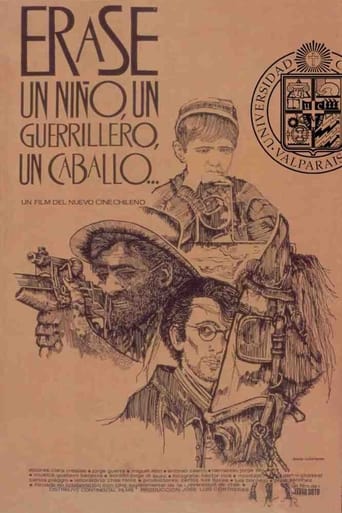
Érase un niño, un guerrillero, un caballo…
Director · 1967
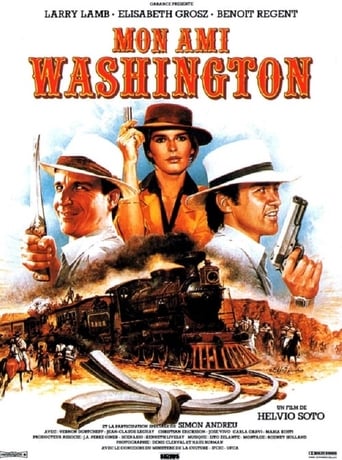
Mon Ami Washington
Director · 1984

Rain over Santiago
Director · 1975
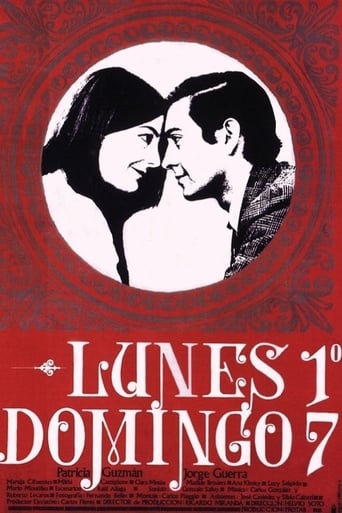
Monday to Sunday
Director · 1968
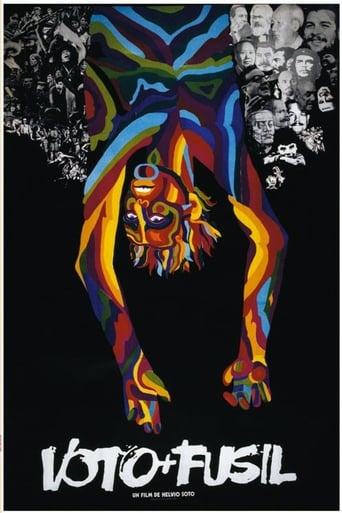
Voto + Fusil
Director · 1971
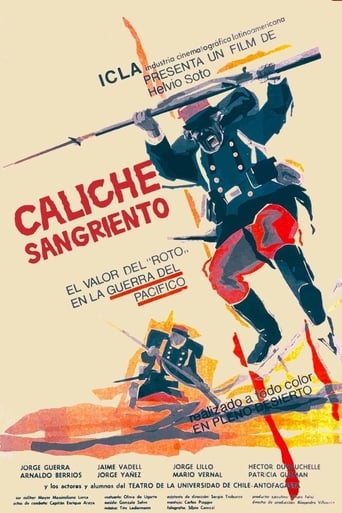
Bloody Nitrate
Director · 1969
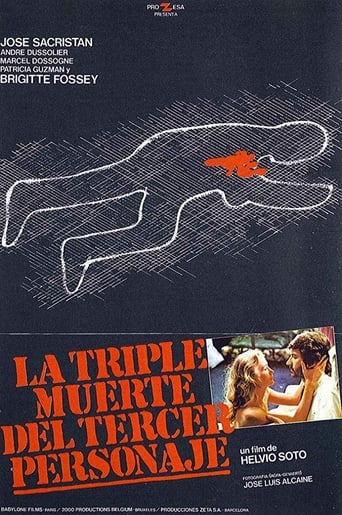
The Triple Death of the Third Character
Director · 1981
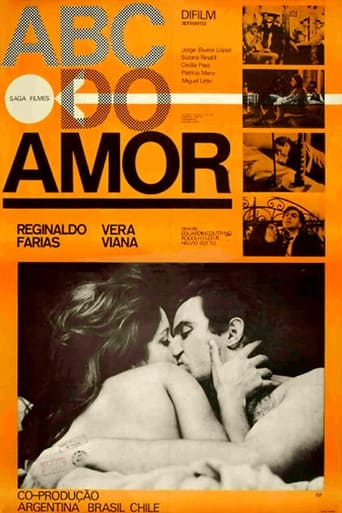
The ABC of Love
Director · 1967
Metamorphosis of the Chief of the Political Police
Director · 1973
Yo tenía un camarada
Director · 1964
El Analfabeto
Director · 1965
La Muerte de un Caballo
Director
Ana
Director · 1965
Writing
Érase un niño, un guerrillero, un caballo…
Screenplay · 1967
Rain over Santiago
Writer · 1975
Monday to Sunday
Screenplay · 1968
Voto + Fusil
Screenplay · 1971
Bloody Nitrate
Screenplay · 1969
Metamorphosis of the Chief of the Political Police
Screenplay · 1973
Yo tenía un camarada
Writer · 1964
El Analfabeto
Screenplay · 1965
Ana
Writer · 1965