
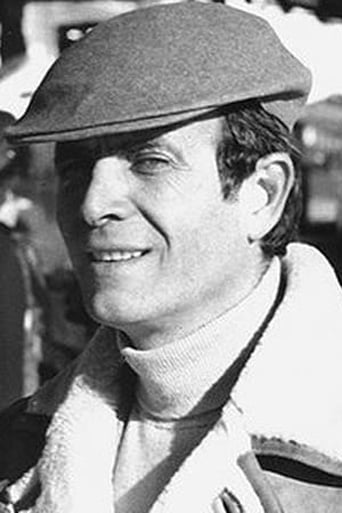
Director
Fernando Di Leo
Born 1932 · San Ferdinando di Puglia, Italy
Fernando Di Leo (11 January 1932 – 2 December 2003) was an Italian film director and script writer. He made 17 films as a director and about 50 scripts from 1964 to 1985. Fernando Di Leo was born on 11 January 1932 in San Ferdinando di Puglia. After briefly working in Rome's film school Centro Sperimentale di Cinematografia, di Leo made his debut as a director as part of the omnibus comedy "Gli eroi di ieri, oggi, domani" with his episode titled "Un posto in paradiso" (transl. "A Place in Heaven"). Following this Di Leo wrote several scripts for Westerns, often uncredited. This included work on "A Fistful of Dollars", "For a Few Dollars More". Some of his Westerns had uncredited literary sources, such as "Days of Vengeance" which is loosely based on Alexandre Dumas' "The Count of Monte Cristo". Di Leo was a fan of film noir and wanted to make an Italian version of these films. Among his first efforts was the script for Mino Guerrini's "Date for a Murder" based on Franco Enna's novel "Tempo di massacro", written in 1955. In Di Leo's version, the setting is moved to a contemporary Rome and has elements of contemporary spy films. Di Leo worked with Guerrini again on the film "Gangsters '70" which did not do well at the box office. Di Leo began directing more of his own films at the time including the war film "Red Roses for the Fuhrer" and a few erotic films: "A Woman on Fire", "A Wrong Way to Love" and "Seduction". From 1969 to 1976, di Leo was able to produce many of his own works with his production company Duania cineproduzioni 70. He followed this with a return to noir with "Naked Violence", a film adapting a novel by Giorgio Scerbanenco, a writer who Di Leo would adapt for several future film productions. Di Leo would make a giallo film with "Slaughter Hotel" starring Klaus Kinski and Margaret Lee. Following this Di Leo worked on "Caliber 9" and "The Italian Connection" which were both inspired by the writing of Scerbanenco. He followed up this film "Il Boss", a film which got Di Leo in trouble with politicians and authorities due to the film's display of connections between the mafia and Italy's major party Democrazia Cristiana. Di Leo followed this up with "Shoot First, Die Later" in 1974. Di Leo worked through the latter half of the 1970s directing "Mister Scarface", "Kidnap Syndicate", and "Nick the Sting". He also wrote scripts for other directors such as Romolo Guerrieri's "Young, Violent, Dangerous", and Ruggero Deodato's "Live Like a Cop, Die Like a Man". Di Leo's last film produced by his company Duania cineproduzioni 70 was "Rulers of the City" in 1976. He continued with a few more films after with the film noir "Blood and Diamonds", the erotic drama "To Be Twenty" - both in 1978, and "Madness" in 1980. Di Leo worked in television in the 1980s, starting with the television series "L'assassino ha le ore contate", which involved six one-hour-long made-for-TV films produced by RAI Uno which as of 2013 are unreleased. Di Leo also made "The Violent Breed" and his last film "Killer vs. Killers" in the mid-1980s. "Killer vs. Killers" wasn't released theatrically in Italy and only surfaced 20 years later on DVD. Di Leo died in December 2003.
Directed
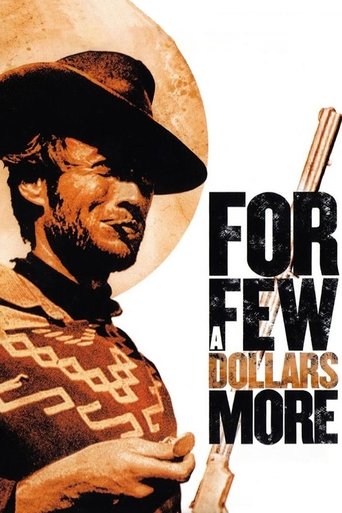
For a Few Dollars More
Assistant Director · 1965
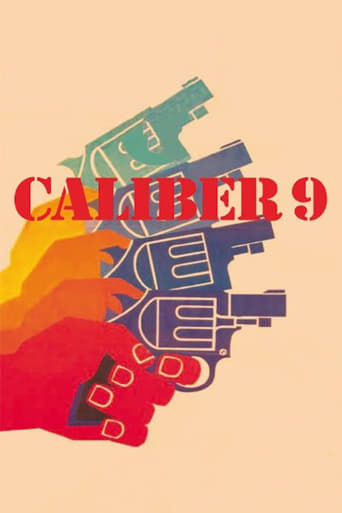
Caliber 9
Director · 1972
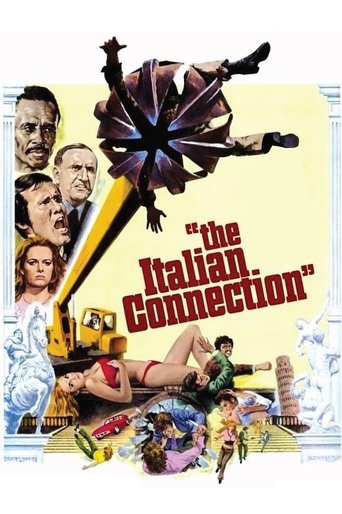
The Italian Connection
Director · 1972
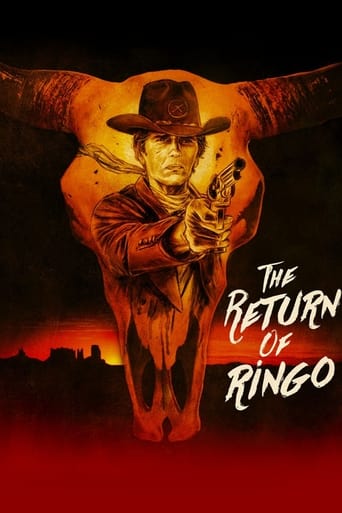
The Return of Ringo
Assistant Director · 1965
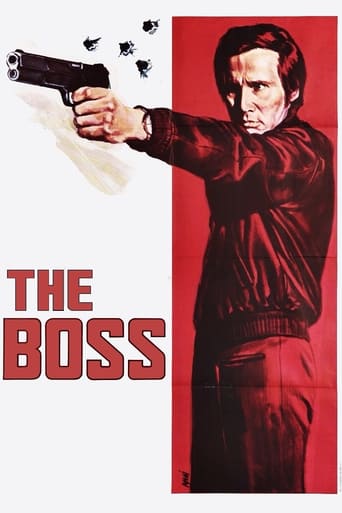
The Boss
Director · 1973
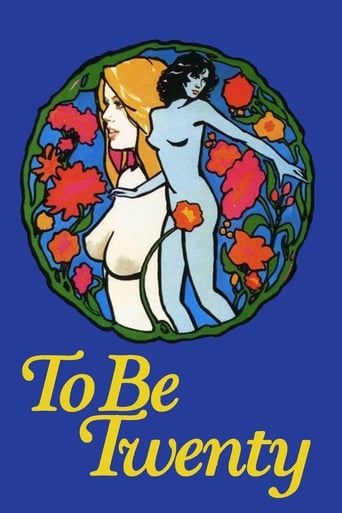
To Be Twenty
Director · 1978
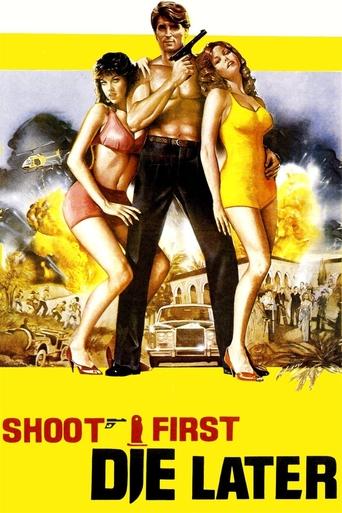
Shoot First, Die Later
Director · 1974
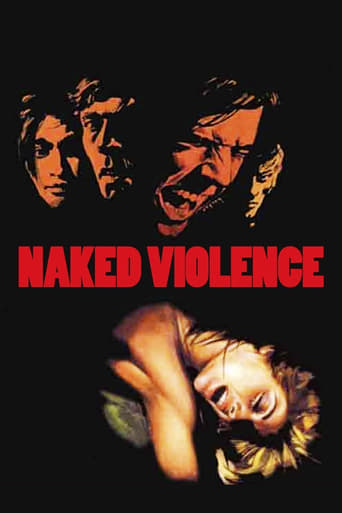
Naked Violence
Director · 1969

Rulers of the City
Director · 1976

Kidnap Syndicate
Director · 1975
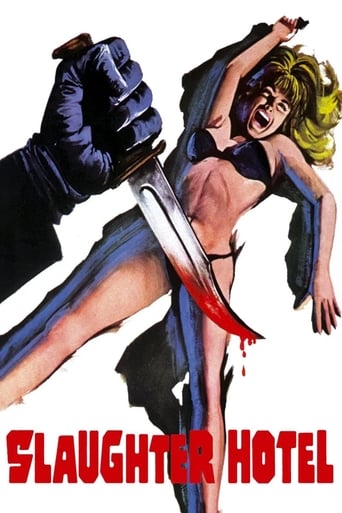
Slaughter Hotel
Director · 1971
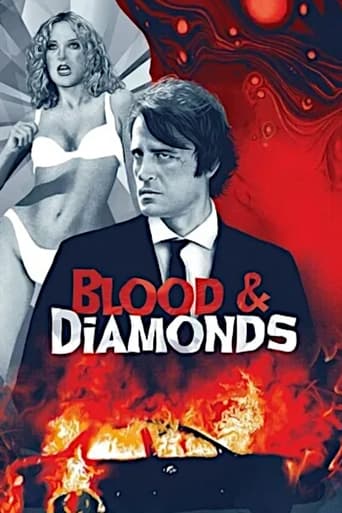
Blood and Diamonds
Director · 1978
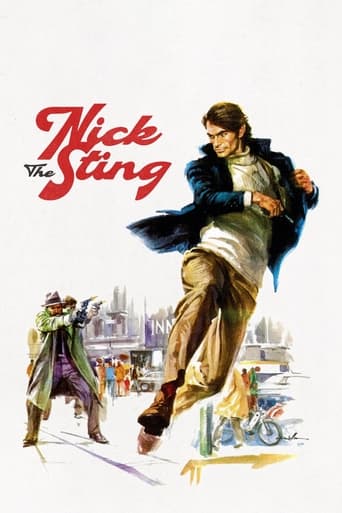
Nick the Sting
Director · 1976

Seduction
Director · 1973
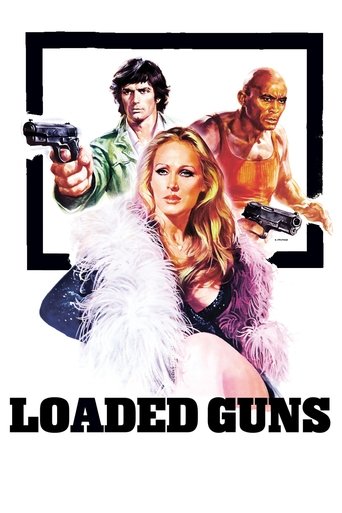
Loaded Guns
Director · 1975

Poor Love
Director · 1982
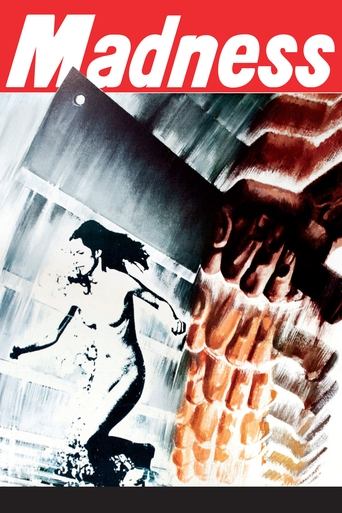
Madness
Director · 1980
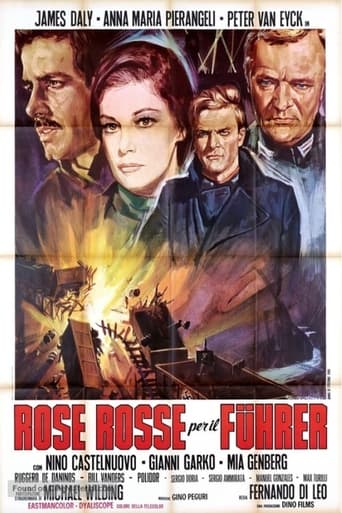
Red Roses for the Fuhrer
Director · 1968
Acting
For a Few Dollars More
Cigar Smoking Card Player (uncredited) · 1965
The Return of Ringo
Fuentes Henchman · 1965
The Boss
Cocchi's Enforcer (uncredited) · 1973
To Be Twenty
Man Giving Directions · 1978
Fernando di Leo: La morale del genere
Self · 2004
Nick the Sting
Film Director in Front of Police Station (uncredited) · 1976
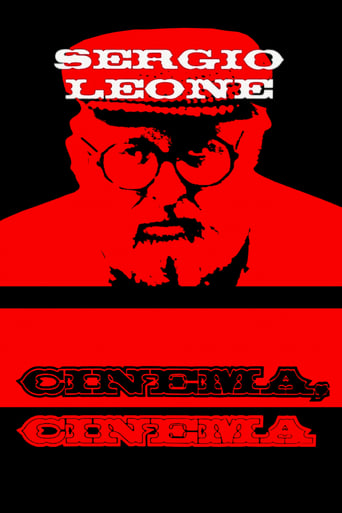
Sergio Leone: cinema, cinema
Self - Filmmaker · 2001
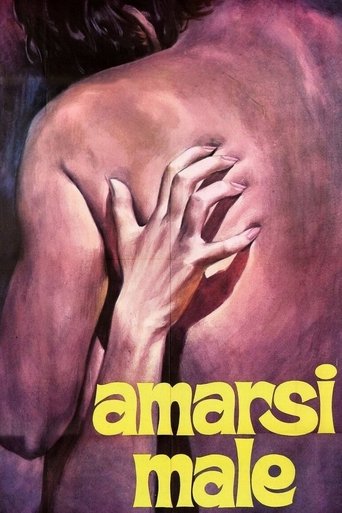
Loving Badly
Man at House of Prostitution · 1969
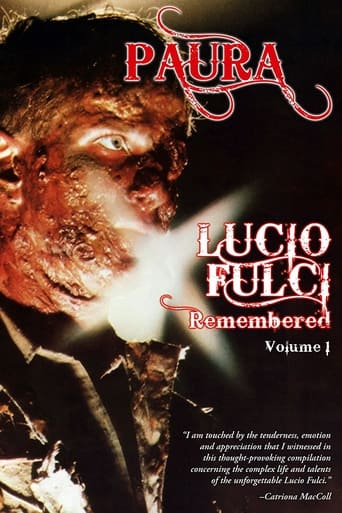
Paura: Lucio Fulci Remembered - Volume 1
Self · 2008
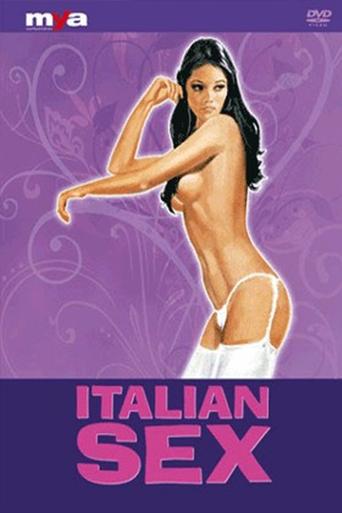
Italian Sex
giornalista TV (uncredited) · 1974
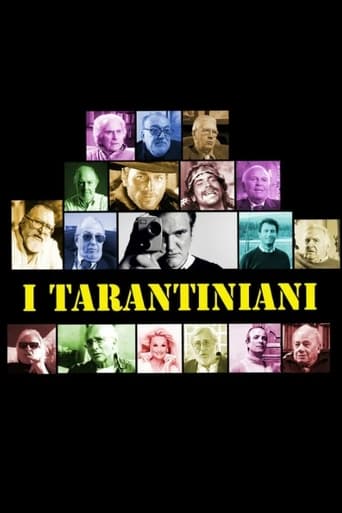
I Tarantiniani
Self · 2013
The Origin of the Mala
Himself · 2004

Caliber 9: Documentary
Self · 2004
Writing
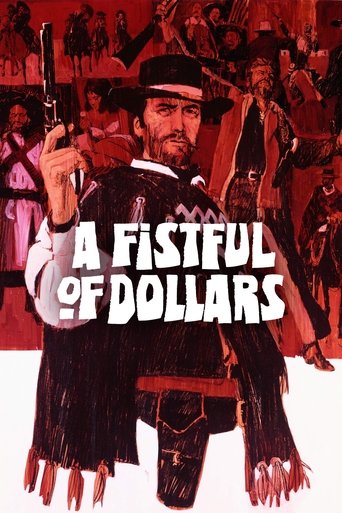
A Fistful of Dollars
Screenplay · 1964
Caliber 9
Story · 1972
The Italian Connection
Story · 1972
The Return of Ringo
Screenplay · 1965
The Boss
Story · 1973
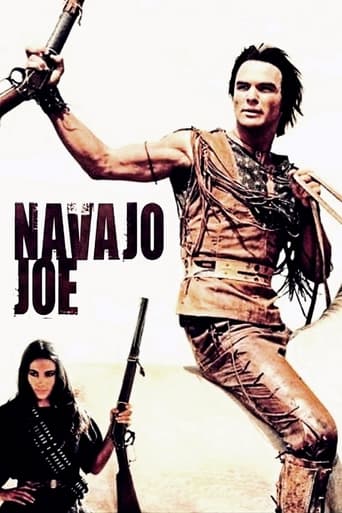
Navajo Joe
Screenplay · 1966
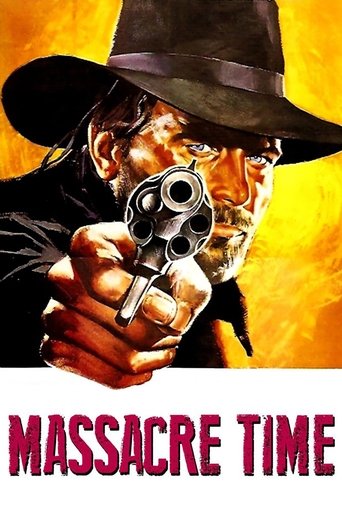
Massacre Time
Story · 1966
To Be Twenty
Screenplay · 1978
Shoot First, Die Later
Screenplay · 1974
Naked Violence
Screenplay · 1969
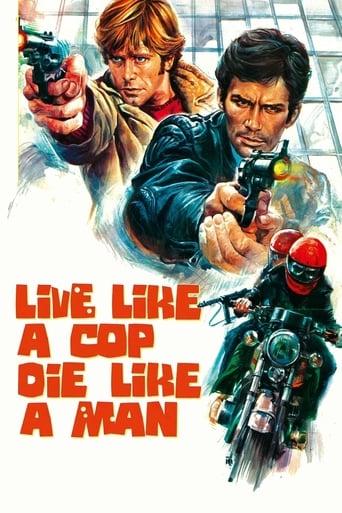
Live Like a Cop, Die Like a Man
Story · 1976
Rulers of the City
Screenplay · 1976