
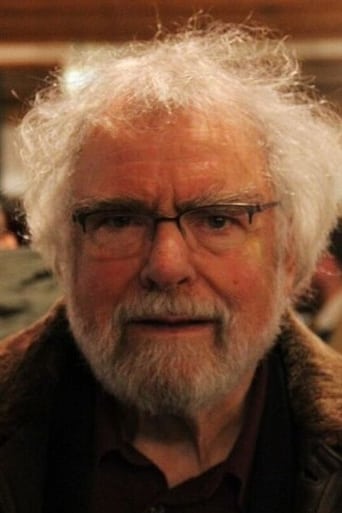
Director
Peter Fleischmann
Born 1937 · Zweibrücken, Germany
Peter Fleischmann (26 July 1937 – 11 August 2021) was a German film director, screenwriter and producer. He worked also as an actor, cutter, sound engineer, interviewer and speaker. Fleischmann belonged to the New German Cinema of the 1960s and 1970s. He is known for directing the 1969 Jagdszenen aus Niederbayern (Hunting Scenes from Bavaria), but he produced films of many genres. Peter Fleischmann was born in Zweibrücken. He studied at the Deutsches Institut für Film und Fernsehen (German Institute of Film and Television, DIFF) in Munich and Institut des hautes études cinématographiques (IDHEC) in Paris. He had contact with representatives of the French Nouvelle Vague movement, and became a friend of Jean-Claude Carrière, with whom he later wrote screenplays. After years as an assistant director, he became a director in 1963 in short films and children's films. In 1967, he directed a documentary, Herbst der Gammler, about the Gammler subculture, which anticipated the gereration conflicts of the 1968 student movement. His first full-length film was released in 1969, Jagdszenen aus Niederbayern, based on the play of the same name by Martin Sperr, who also played the leading role. The film reflects critically how a Bavarian village deals with outsiders, especially the homosexual character played by Sperr. The film was awarded prizes, including the Filmband in Silber of Deutscher Filmpreis. It was suggested for a nomination as the Oscars' best foreign film but was not nominated. The film made Fleischmann a representative of the New German Cinema of the 1960s and 1970s. The same year, Fleischmann and Volker Schlöndorff founded the film production company Hallelujah-Film. In Fleischmann's later works, often the seemingly villainous character would turn out to be a good person. In Das Unheil (Havoc), with a script by Fleischmann and Martin Walser, he criticised in 1972 the provincial attitude of a Hessian small town and pollution of the environment. The film was awarded the Prix Luis Buñuel of the Cannes Festival. In Dorotheas Rache (1974), he created a provocative satire on the sexfilm wave. His 1979 film The Hamburg Syndrome (Die Hamburger Krankheit) about an unknown infectious plague in German, with actor Helmut Griem, received attention again in 2020 during the COVID-19 pandemic. ... Source: Article "Peter Fleischmann" from Wikipedia in English, licensed under CC-BY-SA 3.0.
Directed

Hunting Scenes from Bavaria
Director · 1969
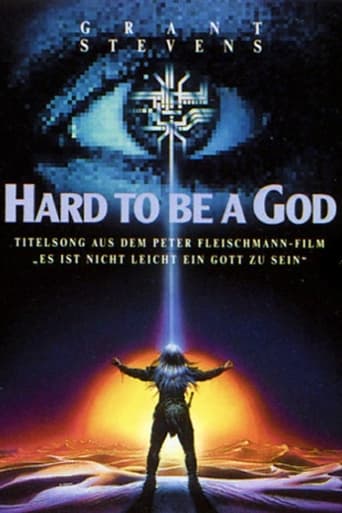
Hard to Be a God
Director · 1990
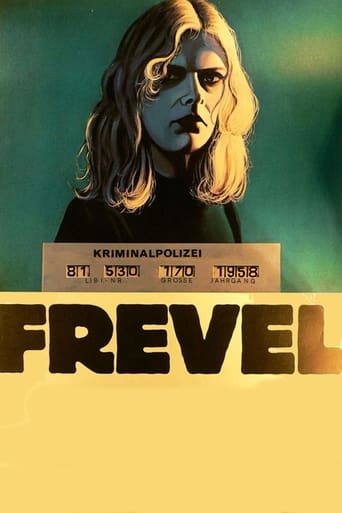
Frevel
Director · 1984
Der Test
Director · 1964
Geschichte einer Sandrose
Director · 1961
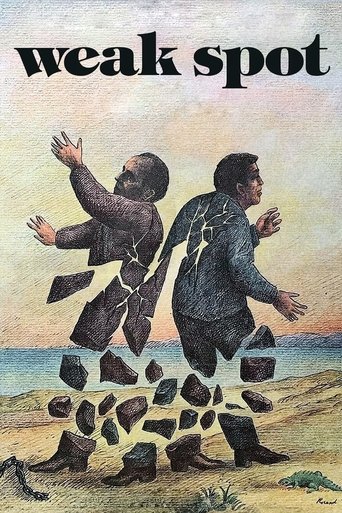
Weak Spot
Director · 1975
Die Eintagsfliege
Director · 1957
Brot der Wüste
Director · 1962
Deutschland, Deutschland
Director · 1991
Alexander and the Car with the missing Headlight
Director · 1966
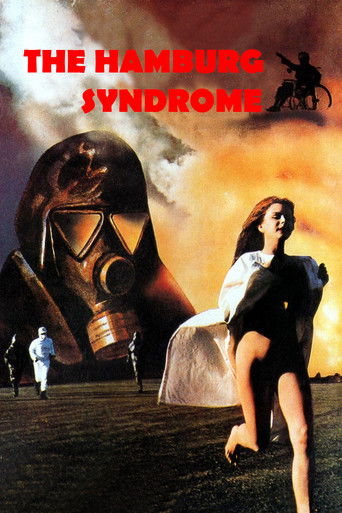
The Hamburg Syndrome
Director · 1979
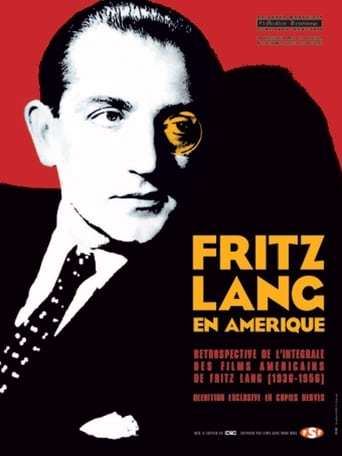
Encounter with Fritz Lang
Director · 1964
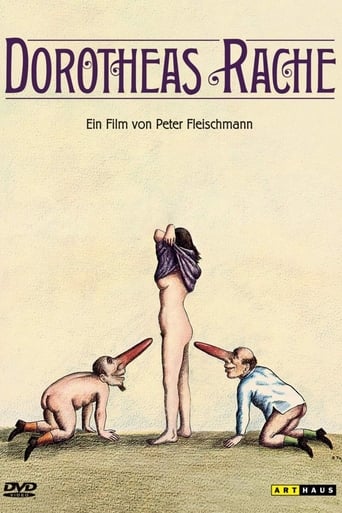
Dorothea's Revenge
Director · 1974
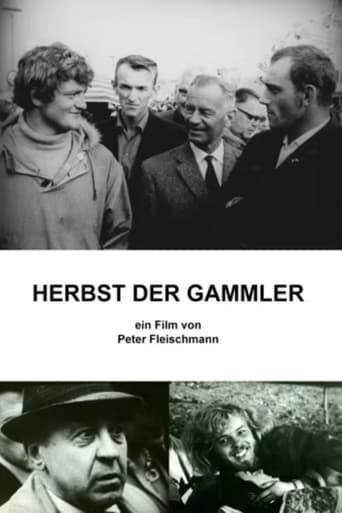
Herbst der Gammler
Director · 1967
Der Al Capone von der Pfalz
Director · 1987
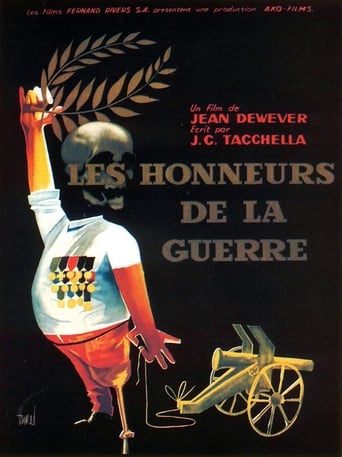
The Honors of War
Assistant Director · 1962
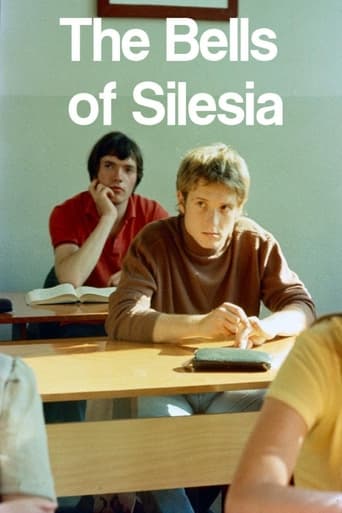
The Bells of Silesia
Director · 1972
Mein Freund, der Mörder
Director · 2006
Acting
Frevel
Lohmann · 1984
Al Capone im deutschen Wald
o.A. · 1969
Der Al Capone von der Pfalz
Himself · 1987

Les Rendez-vous du dimanche
Self · 1975
Grimme Award
Self · 1964
Heimat - Deine Filme
Self · 2008
Russian Adventure. Peter Fleischmann is Filming "Hard to Be a God"
Self · 1990
Mein Freund, der Mörder
Himself · 2006
Mythos Metropolis
Self · 2010
Writing
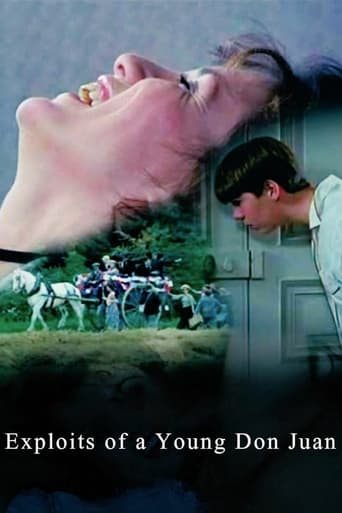
Exploits of a Young Don Juan
Writer · 1986
Hunting Scenes from Bavaria
Writer · 1969
Hard to Be a God
Writer · 1990
Frevel
Writer · 1984
Der Test
Writer · 1964
Geschichte einer Sandrose
Writer · 1961
Weak Spot
Screenplay · 1975
Die Eintagsfliege
Writer · 1957
Brot der Wüste
Writer · 1962
Alexander and the Car with the missing Headlight
Writer · 1966
The Hamburg Syndrome
Writer · 1979
Dorothea's Revenge
Story · 1974