
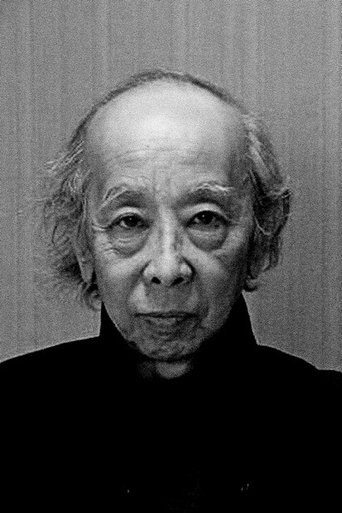
Director
Akio Jissoji
Born 1937 · Tokyo, Tokyo, Japan
Akio Jissoji was a Japanese television and film director best known outside Japan for the 1960s TV series Ultraman and Ultra Seven, as well as for his auteur erotic ATG-produced Buddhist trilogy Mujō (無常), Mandala (曼陀羅), and Uta (哥). He was also known for his film adaptations of Japanese horror author Rampo Edogawa. Jissoji possessed a very distinctive visual style that was notable even in Japanese cinema which is known internationally for its visual style. Every project he directed, from children's action shows to the most disturbing adult films had an uncompromising approach to cinematic story telling. His episodes of the Ultraman TV shows are unique and quite unusual for children's television. His career is also unusual in that he went back and forth from children's television to film projects that were sexually provocative in some way or another. It is perhaps this aspect of his work that has prevented wider distribution of his films. Sadomasochistic and non-consensual sexual practices are featured in many of his film works with women receiving the brunt of the abuse. Another recurring theme was to pull the camera back and reveal the set his actors were working on.
Directed
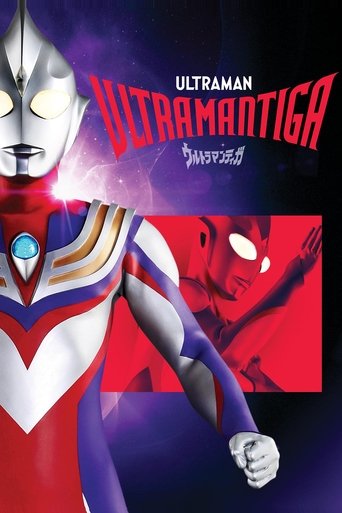
Ultraman Tiga
Director · 1996
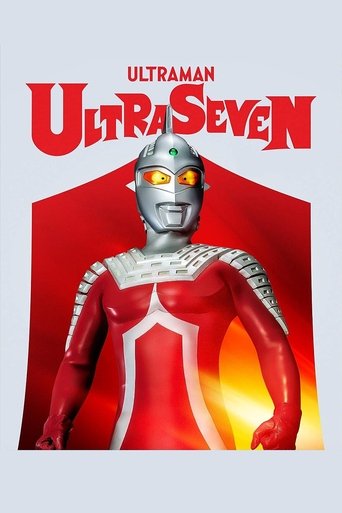
Ultraseven
Director · 1967
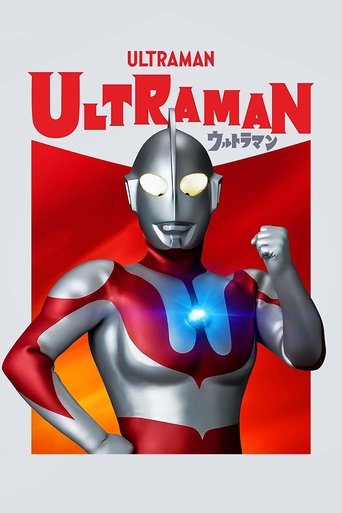
Ultraman
Director · 1966
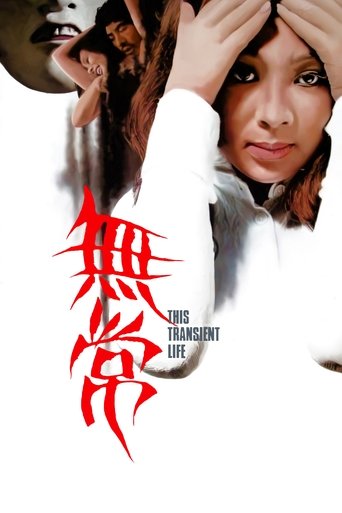
This Transient Life
Director · 1970
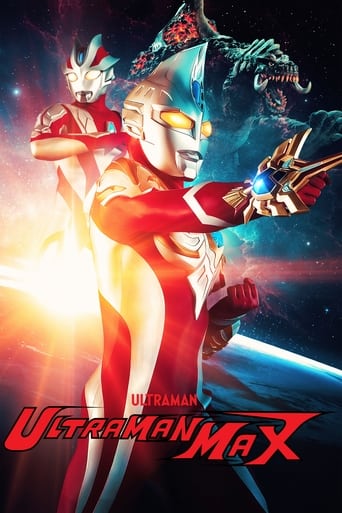
Ultraman Max
Director · 2005
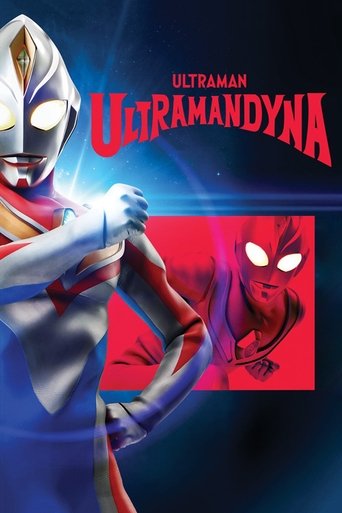
Ultraman Dyna
Director · 1997
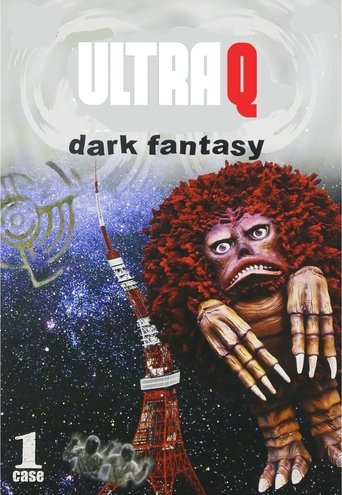
Ultra Q: Dark Fantasy
Director · 2004
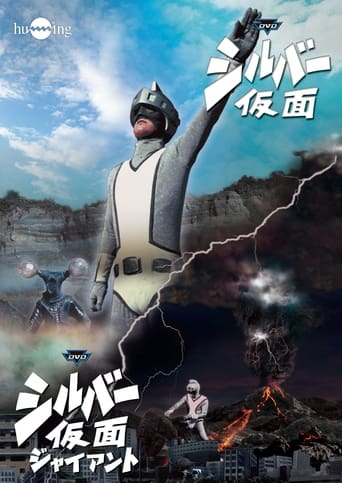
Silver Kamen
Director · 1971
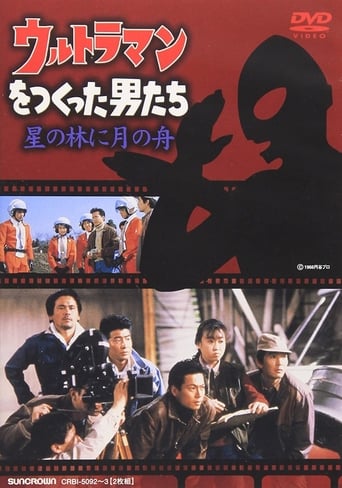
The Men Who Made Ultraman
Script Supervisor · 1989
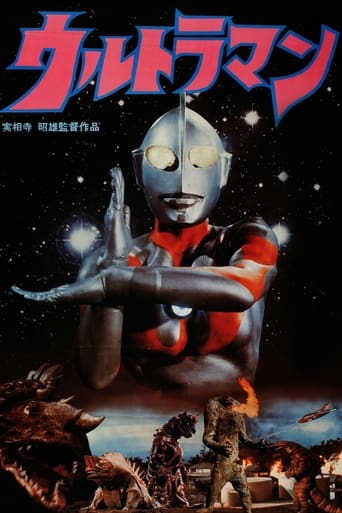
Akio Jissoji's Ultraman
Director · 1979
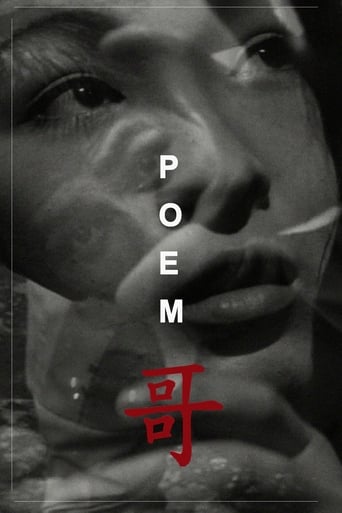
Poem
Director · 1972
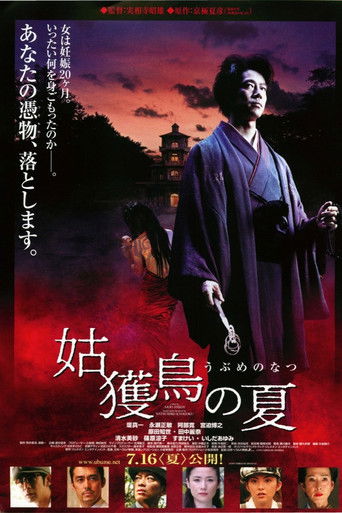
Summer of Ubume
Director · 2005

Rampo Noir
Director · 2005
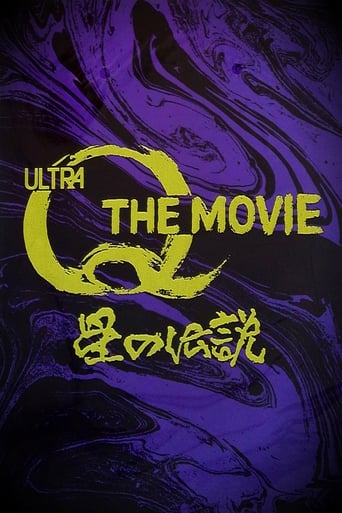
Ultra Q The Movie: Legend of the Stars
Director · 1990
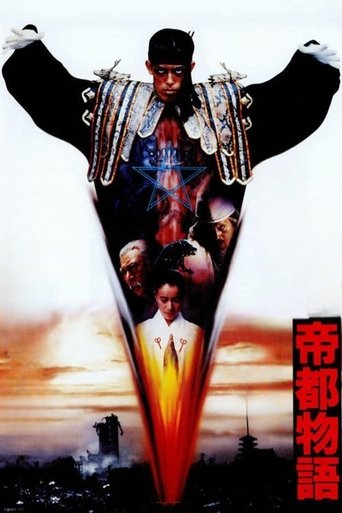
Tokyo: The Last Megalopolis
Director · 1988
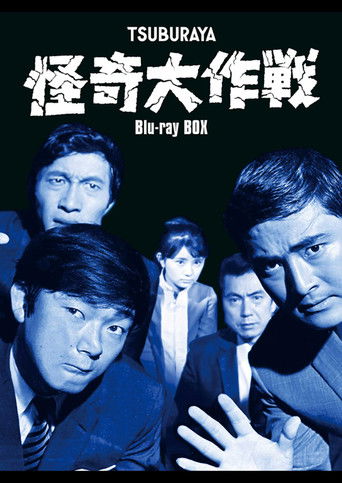
Operation: Mystery
Director · 1968
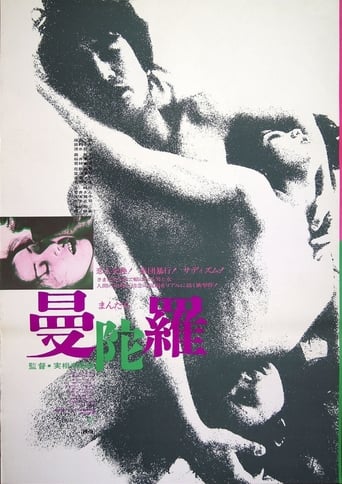
Mandala
Director · 1971
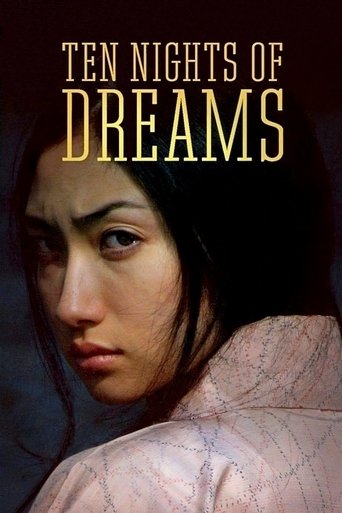
Ten Nights of Dreams
Director · 2007
Acting

Writing
Ultraseven
Writer · 1967
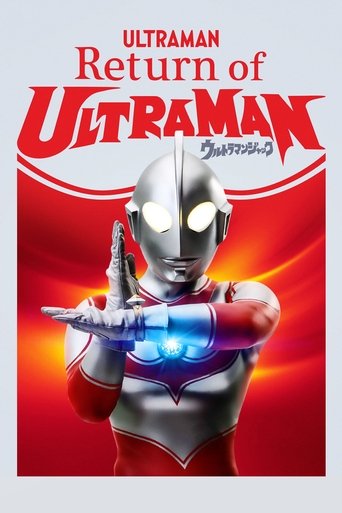
Return of Ultraman
Writer · 1971
The Men Who Made Ultraman
Story · 1989
Kaiki Daisakusen - Second File
Writer · 2007
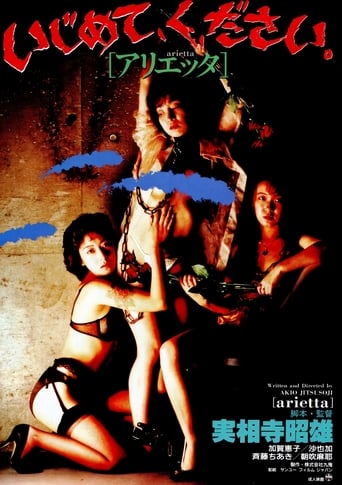
Arietta
Screenplay · 1989
La Valse
Writer · 1990
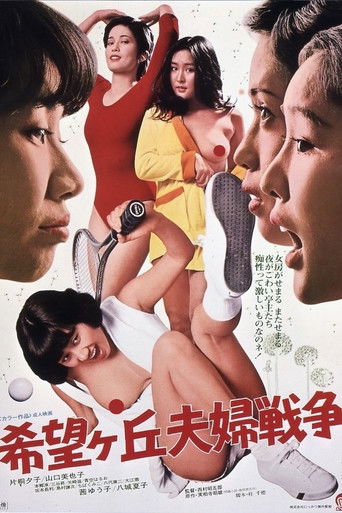
Marital War in Kibogaoka
Original Story · 1979
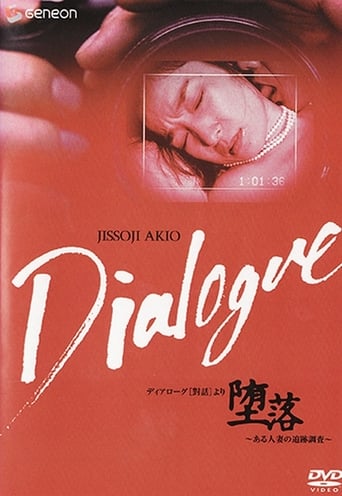
Dialogue
Screenplay · 1992
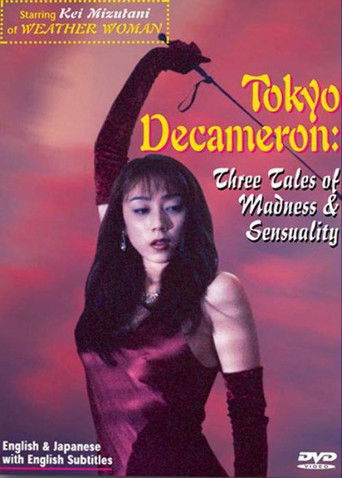
Tokyo Decameron
Writer · 1996
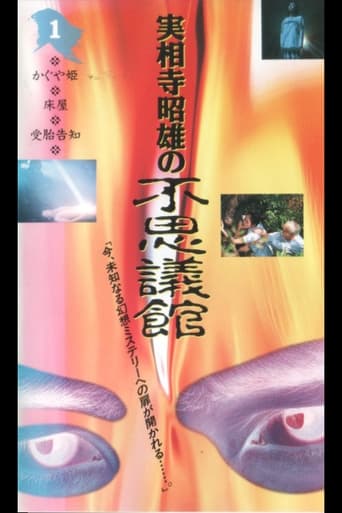
Akio Jissoji's Wonder Museum 1
Screenplay · 1992
Tokyo Illusion
Screenplay · 1986
Seikan: Futomomo naburi
Screenplay · 1993