
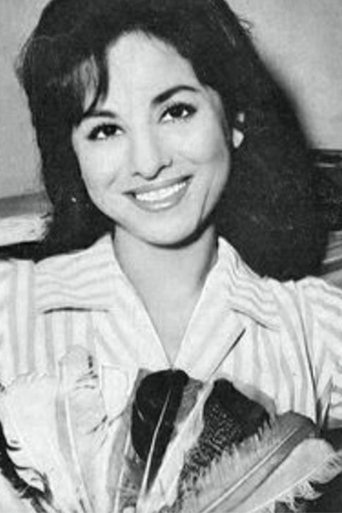
Actor
Faten Hamama
Born 1931 · El Mansoura, Egypt
Faten Hamama (May 27, 1931 - January 17, 2015) was an Egyptian actress and producer. Dubbed "The Lady of the Arabic Screen", she was born in El Mansoura, Egypt. Her legendary journey started as a secret statement between a six-year-old girl and her father after they watched a film in their neighborhood theater, at which leading actress and producer Asya Dagher was present. Faten told her father that she felt the audience was applauding her as the leading actress, and her father hugged her with a vision of helping his daughter become a movie star. She won a contest for the most beautiful child in Egypt, and her dad sent her picture to director Muhammad Karim (a pioneer of Egyptian cinema). Karim was looking for a child for his new film with Egyptian musician Mohamed Abdel Wahab. Faten auditioned for and got a role in this movie, Yom said (1940) ("A Happy Day"). She impressed the filmmakers so much during shooting that she was actually given more lines and scenes in the picture than were scripted initially for her. Karim put her under contract, and four years later he gave her a role in a film with Mohamed Abdel Wahab again, Russassa fil Kalb (1944) ("A Bullet in the Heart"). With her third movie with Karim, Dunia (1946), Faten showed filmmakers and audiences alike that she was an actress ready for bigger roles. Her father, along with her family, moved to Cairo to help her in her career. She also began studying her craft at the High Institute of Acting in 1946. Faten left Egypt from 1966-1971 because she resisted the political pressure that was applied to her. She divided her time between Lebanon and London, England. During this period Egyptian President Gamal Abdel Nasser asked some prominent critics and writers to try to persuade her to return to Egypt, saying that "Faten Hamama is a national treasure". Her return to Egypt in 1971 breathed life back into Egyptian cinema. She insisted that her films reflect the values of society through family relationships. Her first film upon return was Witch (a short film) with Salah Zulfikar. Her role in Emberatoriet Meem (1972) ("Empire M") as a widow with six children and the struggles she endured to raise them made the film a success both critically and financially, and she earned a special award from an organization in the Soviet Union when the film was shown at the Moscow International Film Festival. Her film Orid Hallan (1975) ("I Need a Solution") which was produced by Salah Zulfikar was not only a big hit but resulted in changes to Egyptian marriage and divorce laws. Faten Hamama is the fourth Pyramid in Egyptian cinema, a legend in her platinum anniversary, the diamond that remained shining and kept glowing over the decades on the silver screen.
Acting
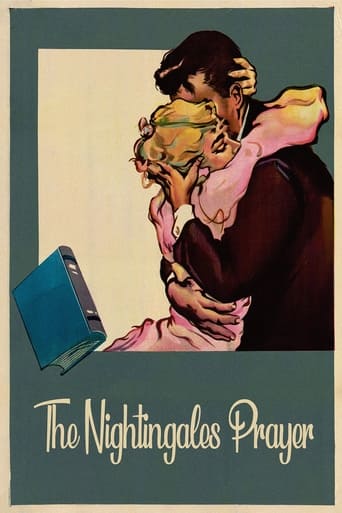
The Nightingale's Prayer
أمنة · 1959
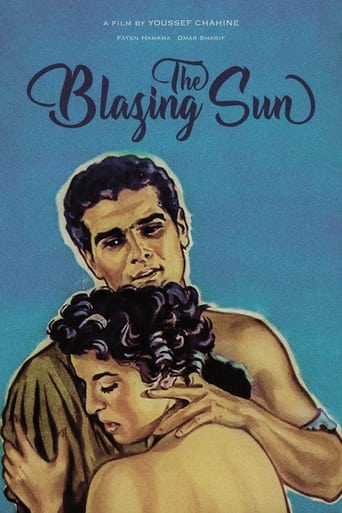
The Blazing Sun
Amal أمال · 1954
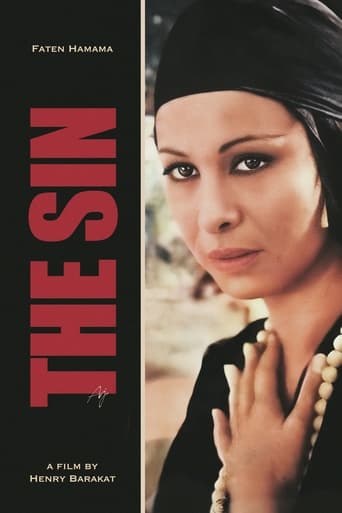
The Sin
Aziza · 1965
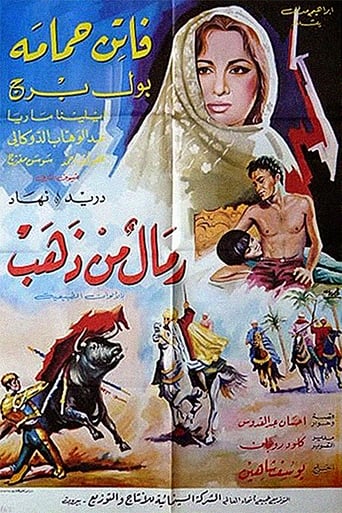
Sands of Gold
Zebyda · 1971
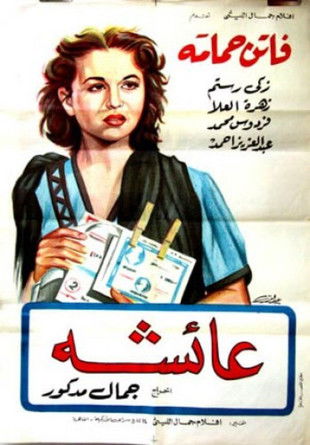
Aisha
Aisha · 1953
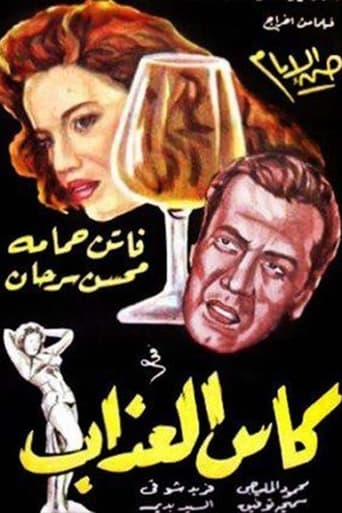
Cup of torment
نعمة · 1952
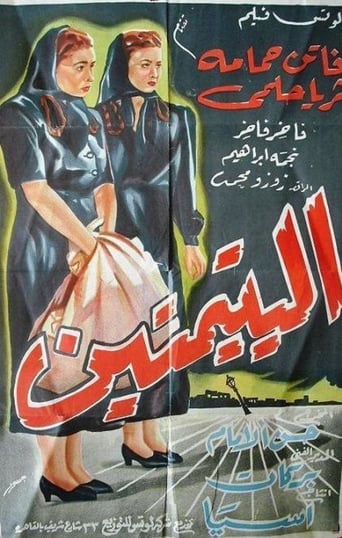
The Two Orphans
نعمت · 1948
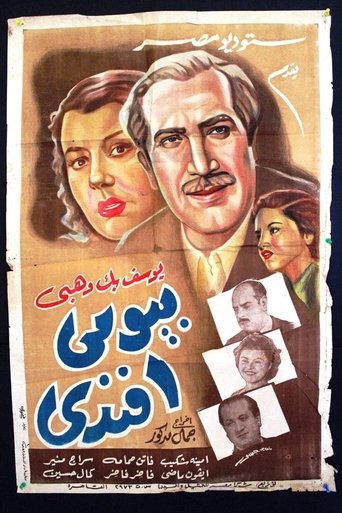
Bayoumi Afandi
zenat · 1949
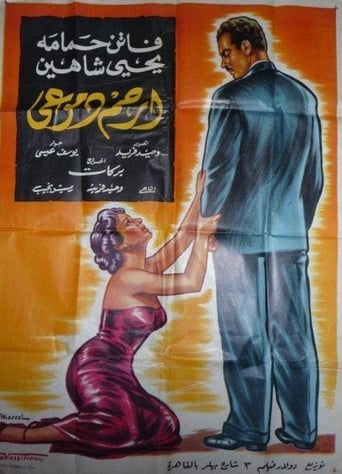
Pity My Tears
Amal Amin - آمال أمين · 1954
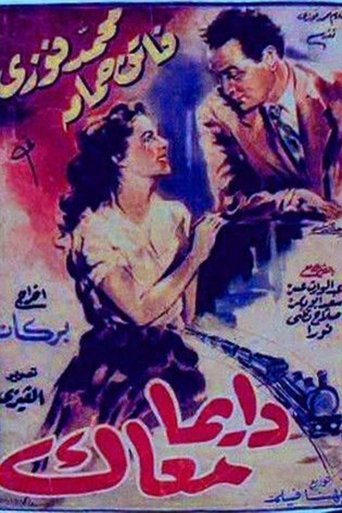
Always With You
Tafida · 1954

Dunia
Nadia Fathy Bey · 1946
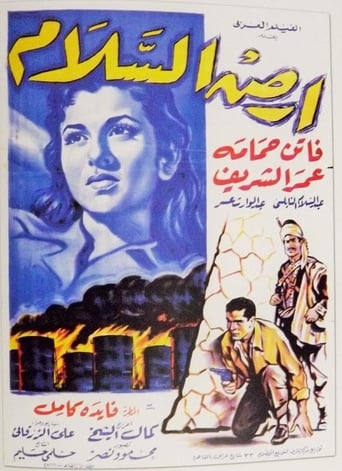
Land of Peace
Salma · 1957
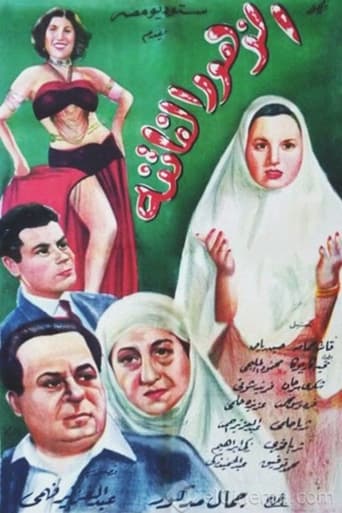
El Zuhur El Fatina
Karima · 1952

Appointment with Happiness
Ehsan / Amal · 1954
Cinépanorama
Self · 1956
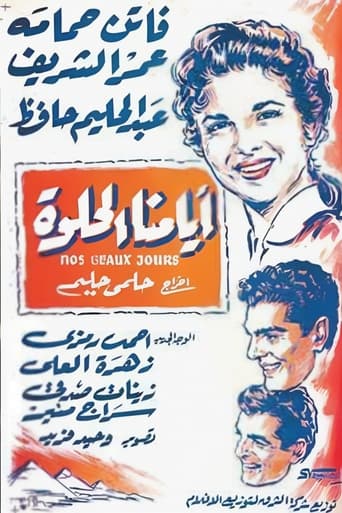
Our Best Days
هدى · 1955
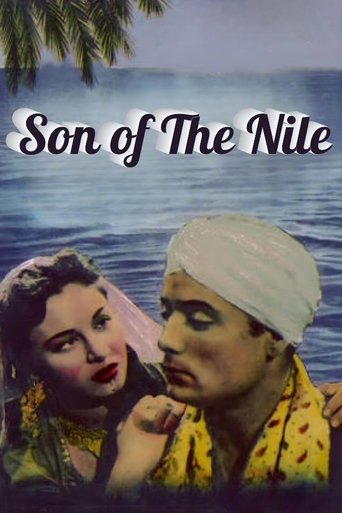
Son of the Nile
زبيده · 1951
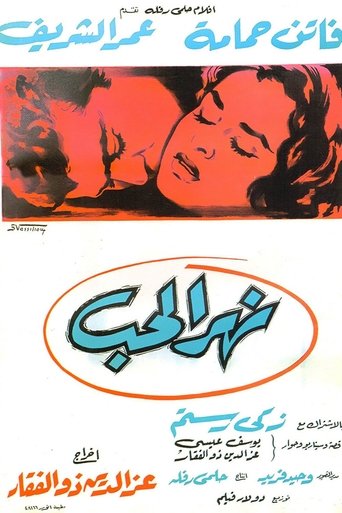
The River of Love
نوال · 1960
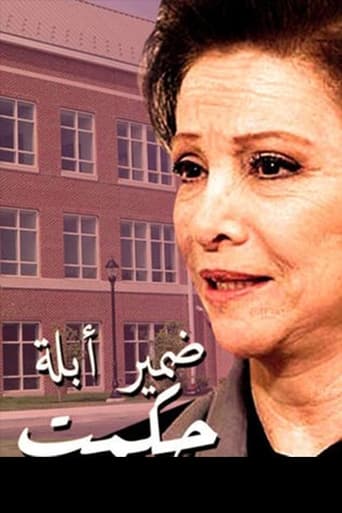
Conscience of Teacher Hekmat
Hekmat Hashim · 1991
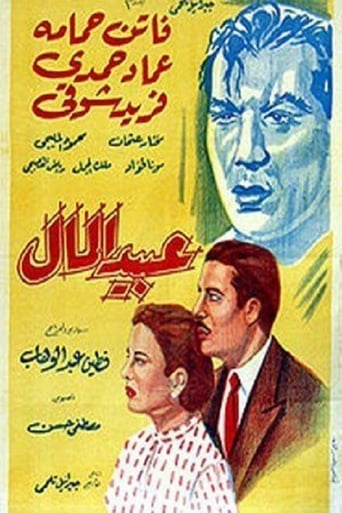
Money slaves
فتحية · 1953
Every house has a man
فاتن أنيس كامل · 1949
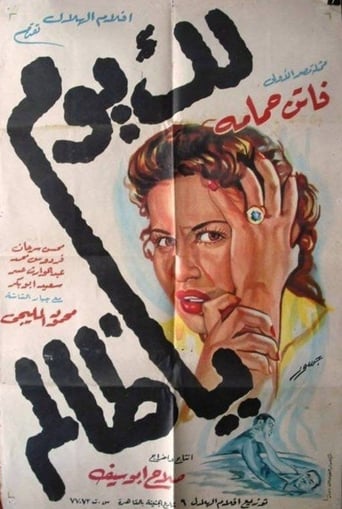
Lak Yom Ya Zalem
انصاف · 1951
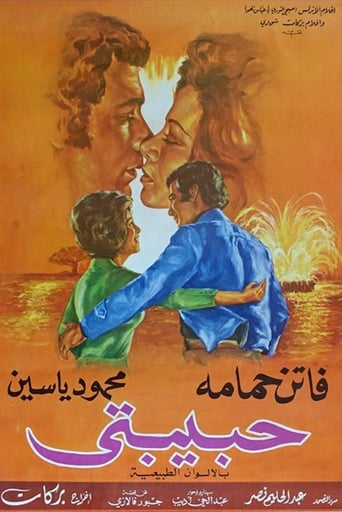
Habibati
Samia Mahmoud · 1974
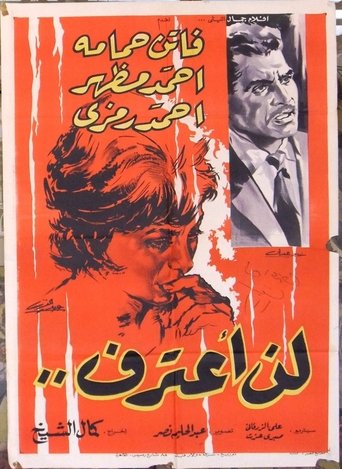
I Won't Confess
Amal (wife) · 1961