
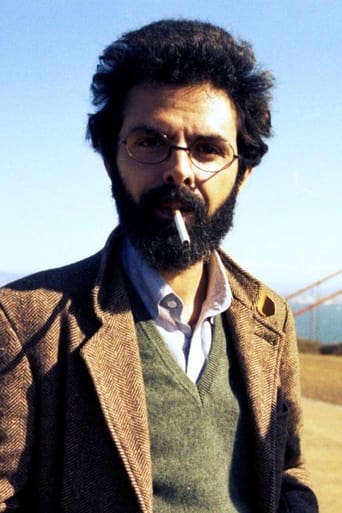
Director
Sohrab Shahid Saless
Born 1944 · Qazvin, Iran
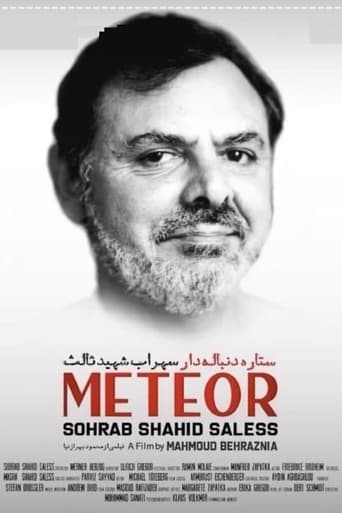
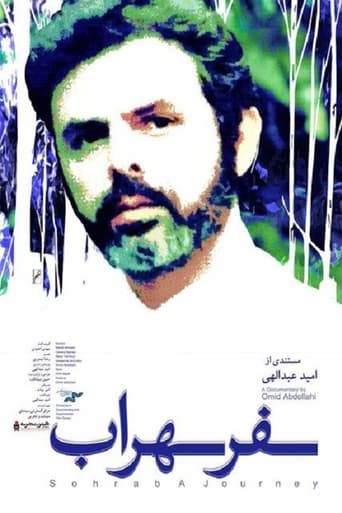
Sohrab Shahid-Saless was born in Tehran in 1944 to a middle-class family and lived in Tehran. Saless was a storyteller as a child, with a passion for visualizing his narrations. In 1963, Shahid Saless left Iran for Vienna, where he attended a film school and an acting school at the same time, but his studies were discontinued there in 1967 due to a sudden diagnosis of tuberculosis. In the midst of treatment, he left for Paris to continue his film studies at the prestigious Independent Conservatory of French Cinema, and shortly thereafter, in 1968, he returned to Iran. Upon his return to Tehran, Shahid Saless began work with the Iranian Ministry of Culture as a documentary filmmaker, where he produced multiple short films and documentaries, partly on the topic of traditional dance amongst different Iranian ethnic groups. In the course of his stay in Iran (1968–74), he produced two major feature films, Yek ettefāq-e sāda (A Simple Event, 1973) and Ṭabiʿat-e bijān (Still Life, 1974), both of which won major international awards for their social realist depiction of life in Iran and for their innovative cinematographic and experimental style.Shahid Saless also made several short films for the Ministry of Culture and Arts. He made many commissioned films on the local folkloric dances of various ethnic groups. He also started making short documentaries depicting the unnerving condition of life among the working class. Unsurprisingly, the political subversive message of these films was disliked by the government, and Shahid Saless was forced to leave the country. Settled in Germany in 1974, Shahid Saless started producing documentaries for the German media. The movies he made gained him further international recognition, and he continued making documentary and feature films for major German television programs. He made his last movie, Rosen für Afrika, in 1991 for German television. In 1992, he left Germany for the United States to join his family. He died from a chronic illness related to his liver from which he suffered throughout his life. Shahid Saless is known to be a pioneer of the new wave of Iranian cinema. In his own words, his cinema intends to document the “antagonism between man and society”. In the course of his oeuvre, he viewed the role of cinema as “to make conscious of indignity and inhumanity of life".
Directed

Still Life
Director · 1978
Addressee Unknown
Director · 1983
The Willow Tree
Director · 1984
Utopia
Director · 1983

Time of Maturity
Director · 1976

A Simple Event
Director · 1973
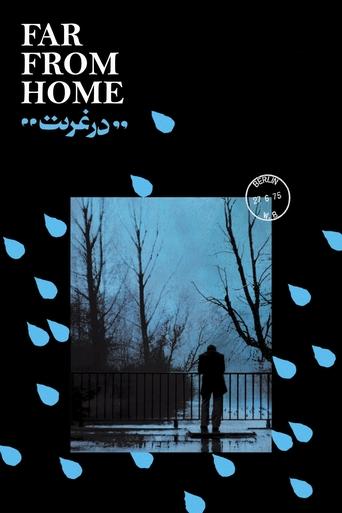
Far from Home
Director · 1975

Changeling
Director · 1987

Black and White
Director · 1972

Diary of a Lover
Director · 1977

All in Order
Director · 1980

The Long Vacation of Lotte H. Eisner
Director · 1979

Hans: A Young Man in Germany
Director · 1985

Anton P. Chekhov: A Life
Director · 1981
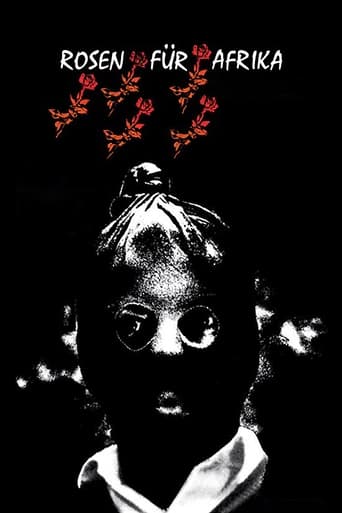
Roses for Africa
Director · 1992
Grabbe's Last Summer
Director · 1980
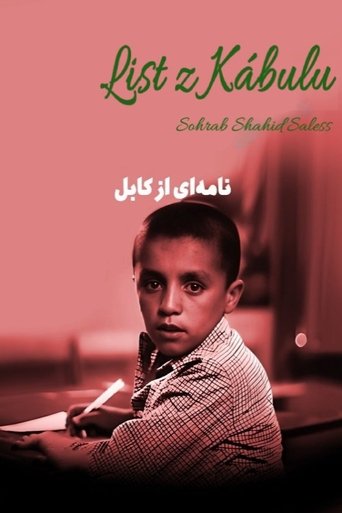
A Letter from Kabul
Director · 1987

If...?
Director · 1971
Acting
Writing
Still Life
Screenplay · 1978
Bleeding Heart
Screenplay · 1988
Addressee Unknown
Writer · 1983
The Willow Tree
Writer · 1984
Utopia
Writer · 1983
Time of Maturity
Writer · 1976
A Simple Event
Screenplay · 1973
Far from Home
Writer · 1975
Black and White
Writer · 1972
Diary of a Lover
Writer · 1977
All in Order
Writer · 1980
The Long Vacation of Lotte H. Eisner
Writer · 1979