
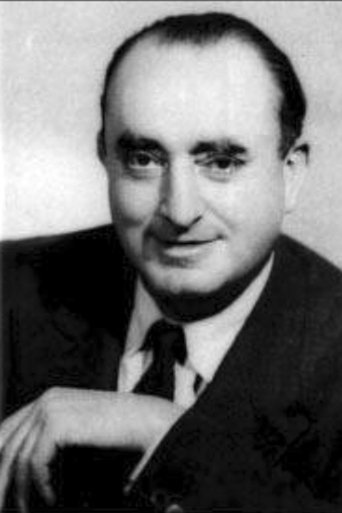
Director
Henri Diamant-Berger
Born 1895 · Paris, France
Henri Diamant-Berger (9 June 1895 – 7 May 1972) was a French director, producer and screenwriter. In a career that lasted more than 50 years, he directed 48 films between 1913 and 1959, produced 17 between 1925 and 1967 and wrote 21 screenplays between 1916 and 1971. Born in Paris, to a Jewish family, he studied to be a lawyer but was drawn to the motion picture business. He began his career when he co-directed the 1913 silent film short De film... en aiguilles with André Heuzé. In addition to writing screenplays, during the period from 1916 to 1919, Diamant-Berger also published and edited a film magazine and books about the movies. In 1918, he was hired by Pathé and sent to the United States to help set up the company's film laboratory at Fort Lee, New Jersey. Upon his return to France, Pathé had him set up a laboratory in Vincennes, as well as organize a film studio in Boulogne-Billancourt. In 1921, Diamant-Berger directed the film serial Les Trois Mousquetaires, one of two film versions of Alexandre Dumas, père's novel The Three Musketeers released in 1921 (the other was Douglas Fairbanks' version) . For a short time in the mid-1920s, he made pictures in the USA, including the drama Fifty-Fifty (1925) starring Lionel Barrymore. He also directed the 1927 silent film Éducation de Prince. By the end of the decade he successfully made the transition to talkies. Through his Barrymore connection, Diamant-Berger acquired the screen rights for a play produced on Broadway in 1921 written by John Barrymore's ex-wife, Blanche Oelrichs. His French language film version of the same title, Clair de lune (1932), starred Claude Dauphin and Blanche Montel. Among his notable sound films was a remake, Les Trois Mousquetaires (1932), a six-hour epic about the three musketeers for which he wrote the screen adaptation and used much of the same cast from his 1921 silent version. Diamant-Berger's other directorial efforts include two Arsène Lupin detective films in 1937. However, after directing Tourbillon de Paris in 1939, he lost eight full years to World War II. In 1951, he directed the acclaimed drama Monsieur Fabre starring Pierre Fresnay. During the 1960s, Diamant-Berger devoted himself exclusively to producing, making several successful films, which includes La Belle Américaine (1961), Heaven Sent (1963) and The Counterfeit Constable (1964). Henri Diamant-Berger died at age 76 in Paris. Source: Article "Henri Diamant-Berger" from Wikipedia in English, licensed under CC-BY-SA 3.0.
Directed
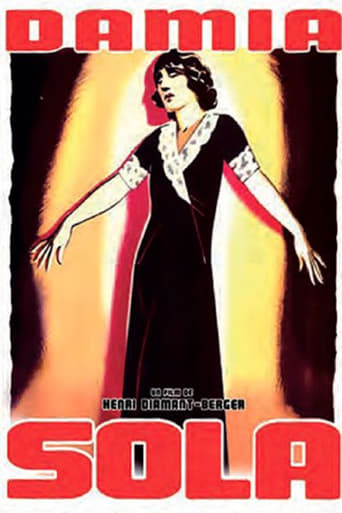
Alone
Director · 1931
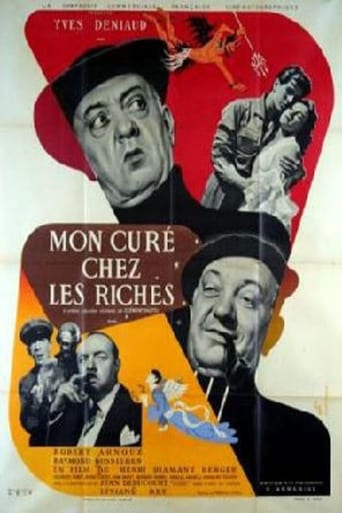
My Priest Among the Rich
Director · 1952
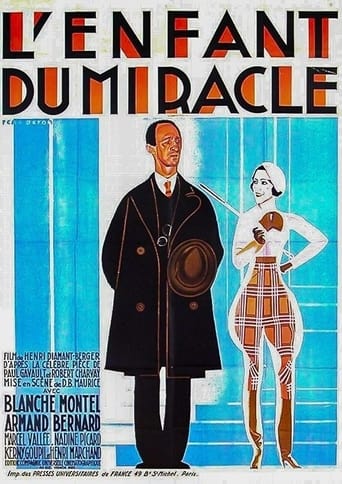
The Miracle Child
Director · 1932
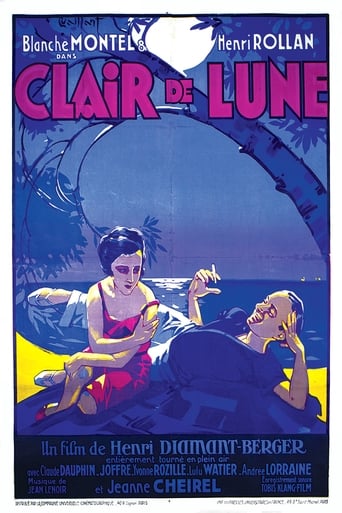
Moonlight
Director · 1932
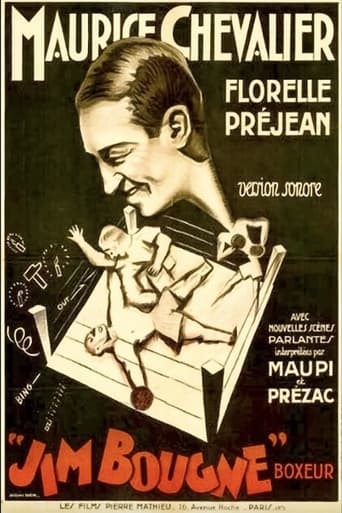
Jim Bougne, boxeur
Director · 1923
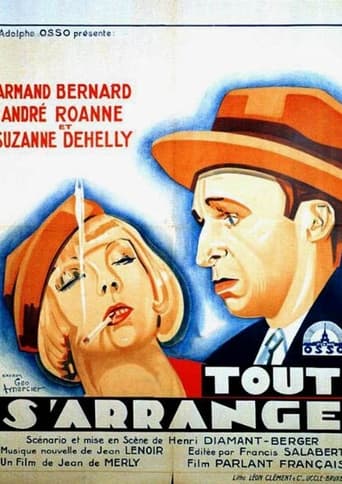
It's all arranged
Director · 1931
Le roi de la vitesse
Director · 1924
L'Affaire de la rue de Lourcine
Director · 1923
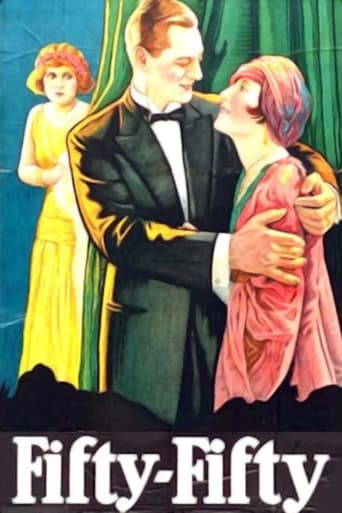
Fifty-Fifty
Director · 1925
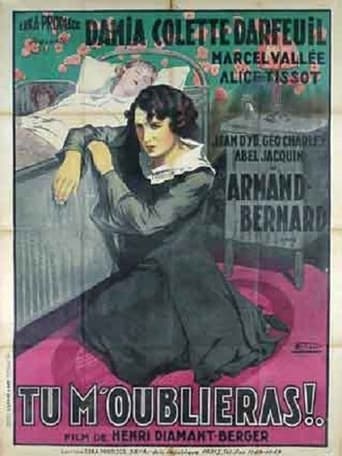
Tu m'oublieras
Director · 1932
Lover's Island
Director · 1925
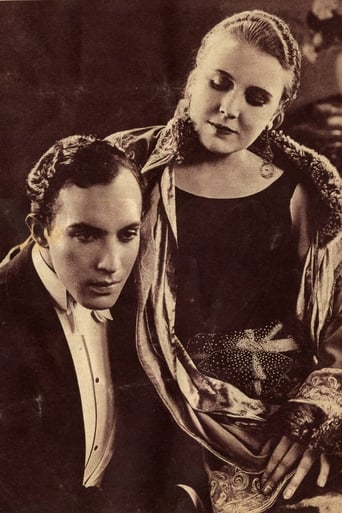
Education of a Prince
Director · 1927
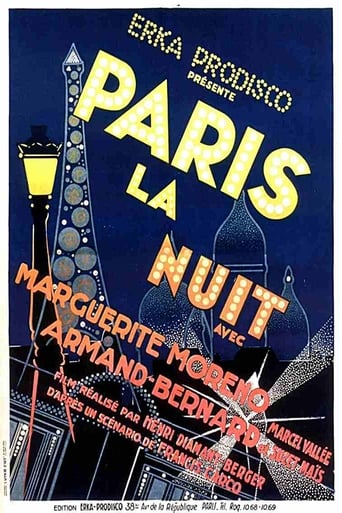
Paris by Night
Director · 1930
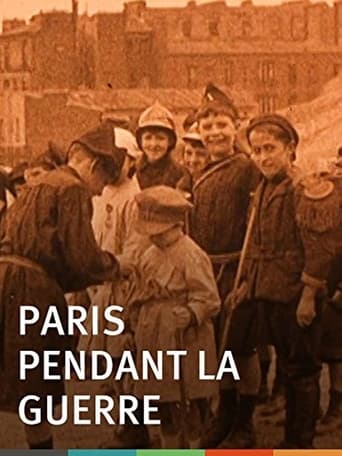
Paris During the War
Director · 1916
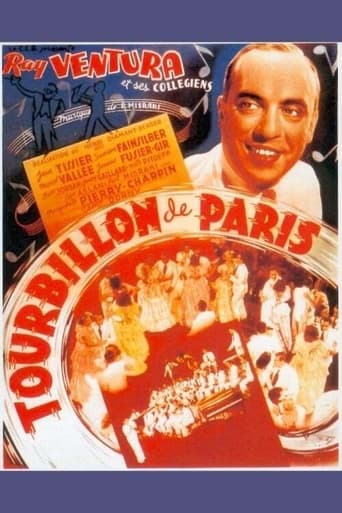
Whirlwind of Paris
Director · 1939
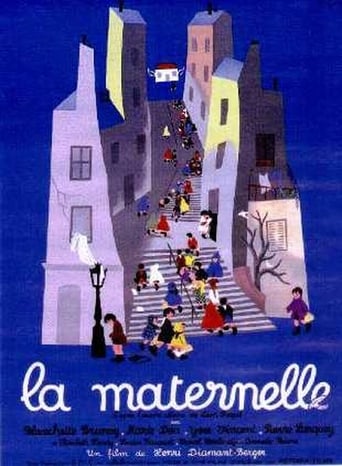
Kindergarten
Director · 1949
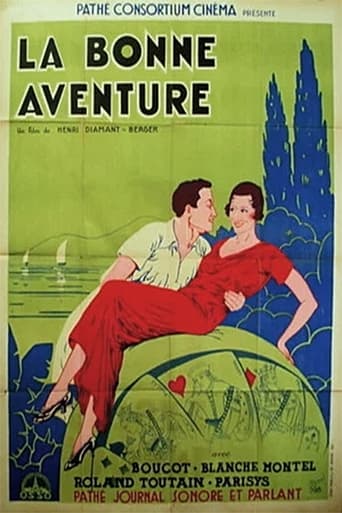
The Nice Adventure
Director · 1932
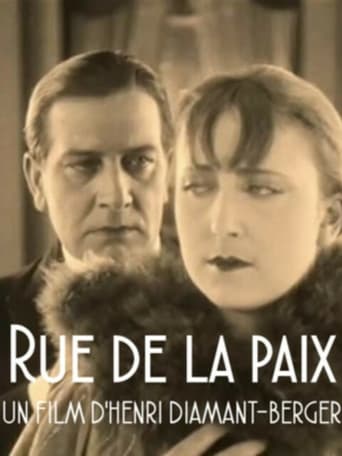
Rue de la Paix
Director · 1927
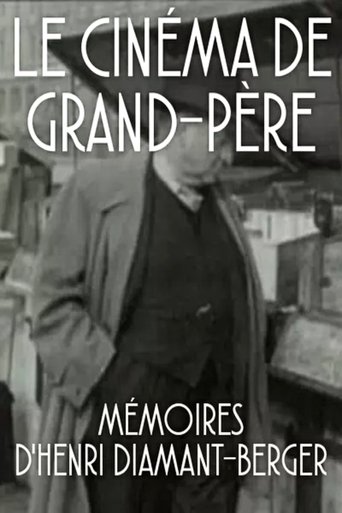
Writing
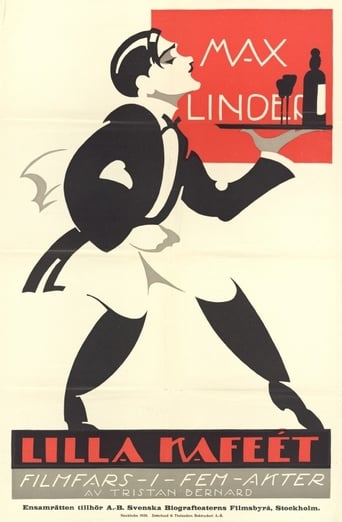
Le Petit Café
Writer · 1919
Moonlight
Writer · 1932
Education of a Prince
Writer · 1927
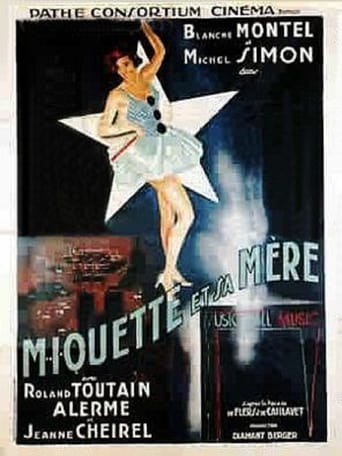
Miquette and Her Mother
Adaptation · 1933
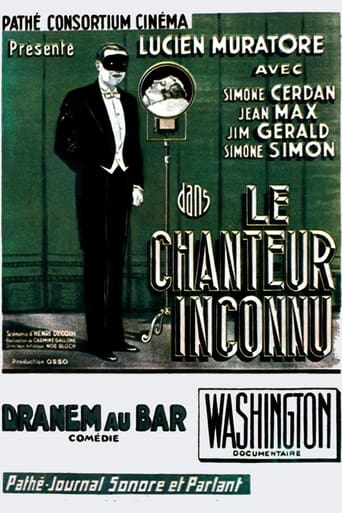
The Unknown Singer
Story · 1931
Par habitude
Writer · 1923
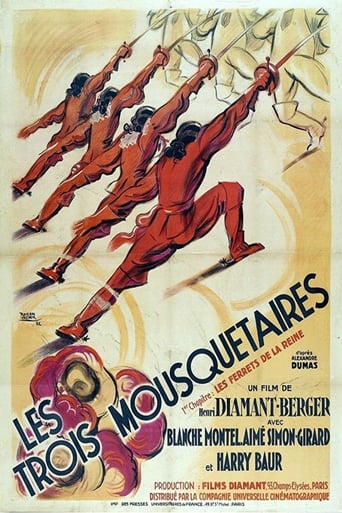
The Three Musketeers
Screenplay · 1932

The Bureaucrats
Writer · 1959
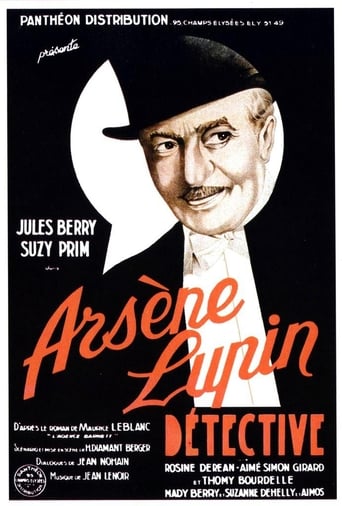
Arsène Lupin, Detective
Screenplay · 1937
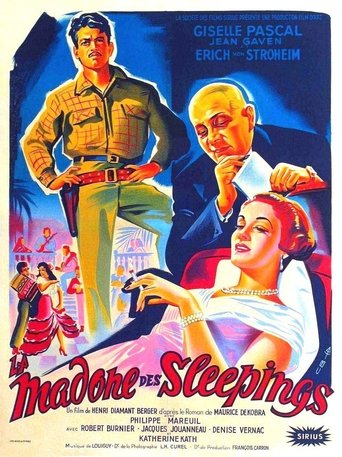
La Madone des sleepings
Screenplay · 1955
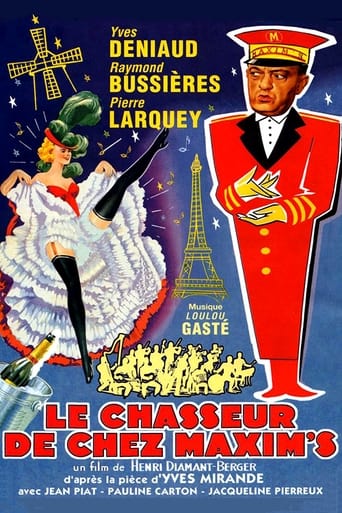
Le Chasseur de chez Maxim's
Adaptation · 1953
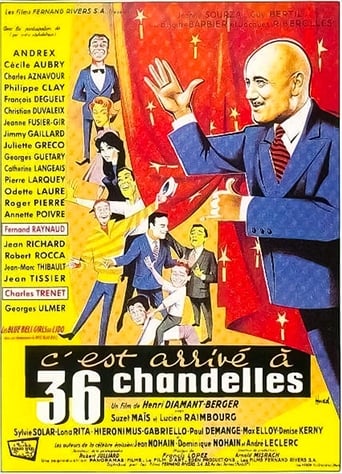
It Happened on the 36 Candles
Writer · 1957