
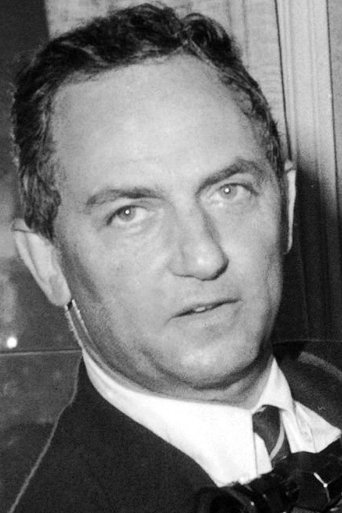
Director
François Reichenbach
Born 1921 · Paris, France
François Arnold Reichenbach (3 July 1921 – 2 February 1993) was a French film director, cinematographer producer and screenwriter. He directed 40 films between 1954 aEarly life François Reichenbach was born in 1921 in Neuilly-sur-Seine. His father Bernard Reichenbach was a successful businessman and his mother Germaine Angèle Sarah Monteux had a passion for music, which she passed on to young François. His maternal grandfather Gaston Monteux was a wealthy industrialist: he was one of the first to buy paintings by Chagall, Braque, Picasso, Soutine, Utrillo and Modigliani. In his memoirs François Reichenbach says: "At the age of five I was terrified by all the faces in the paintings. And I became a forger. I added mustaches and hairs to the nudes of Modigliani. This hoax takes on another dimension when you know that I made a film with Orson Welles about the forger Elmyr de Hory in 1973. He is the nephew of the industrialist and manuscript and book collector Jacques Guérin and the cousin of the film producer Pierre Braunberger, who encouraged him to make films. During the Second World War, François Reichenbach went to Geneva. Although he was born in France, he also has Swiss nationality because his paternal grandfather, Arnold Reichenbach, is a rich Swiss industrialist working in the embroidery industry in St. Gallen. He studied music at the Geneva Conservatory of Music, where he met the film director Gérard Oury. After the Liberation, he wrote songs, notably for Édith Piaf and Marie Dubas. Then, remembering the huge collection of paintings of his childhood, he left for the United States with an emigrant card to sell paintings. He started in New York as an advisor to American museums for the purchase of works of art in Europe, then he sold master paintings. He spent several years in the United States. On his deathbed, François Reichenbach confided to Danièle Thompson his wish to be buried in Limoges where he had spent his vacations in his youth. Faced with the protests of the screenwriter, arguing that it would be inconvenient to visit him, the filmmaker replied "Those who love me will take the train". This quote inspired Danièle Thompson to write the title of the film Ceux qui m'aiment prendront le train (Those who love me will take the train) by Patrice Chéreau, starring Jean-Louis Trintignant, Charles Berling and Vincent Perez. François Reichenbach died on February 2, 1993, in Neuilly-sur-Seine, a posh neighbourhood near the capital. He is buried in the Louyat cemetery in Limoges. This pioneer of the New Wave through the importance of his cinematographic work makes this man, with a free and respectful look at others, a privileged witness of his time. He always has a camera loaded on the back seat of his car to film immediately just in case, because he likes to "film everything that moves ". The famous magazine Cahiers du cinéma wrote: "François Reichenbach was born with a camera in his eye". ... Source: Article "François Reichenbach" from Wikipedia in English, licensed under CC-BY-SA.
Directed
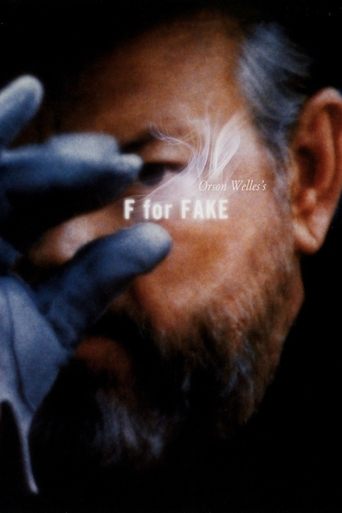
F for Fake
Co-Director · 1973
Impressions de New York
Director · 1956
Mientras haya niños habra payasos
Director · 1980
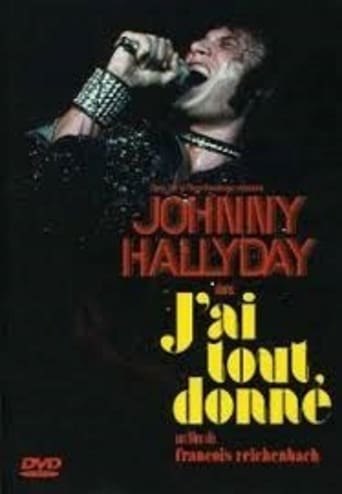
J'ai tout donné
Director · 1972
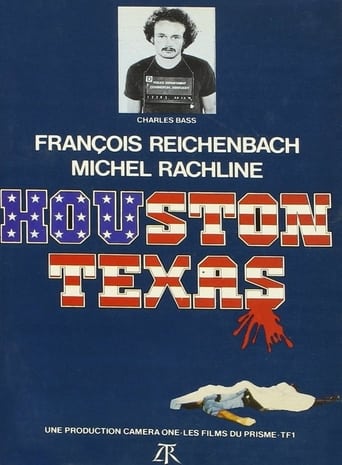
Houston, Texas
Director · 1981
Yehudi Menuhin, chemin de lumière
Director · 1970
Visages de Paris
Director · 1955
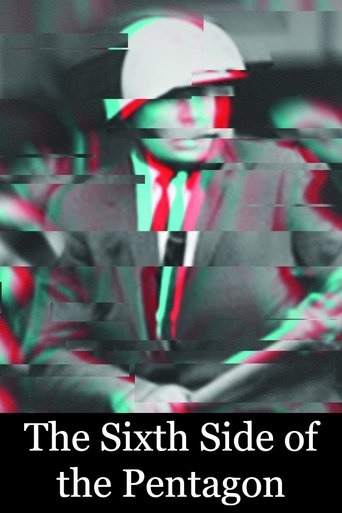
The Sixth Side of the Pentagon
Director · 1968
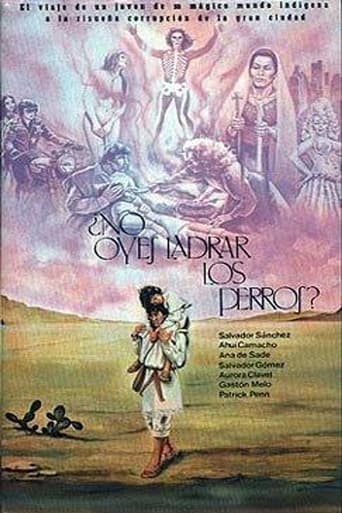
Do You Hear the Dogs Barking?
Director · 1975
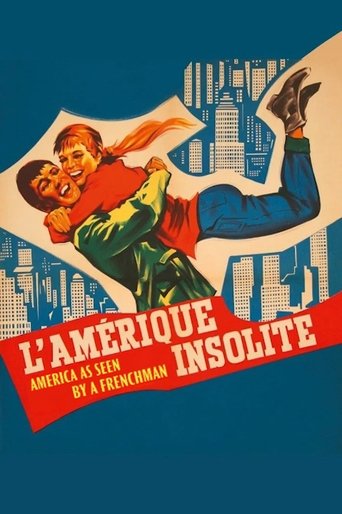
America as Seen by a Frenchman
Director · 1960
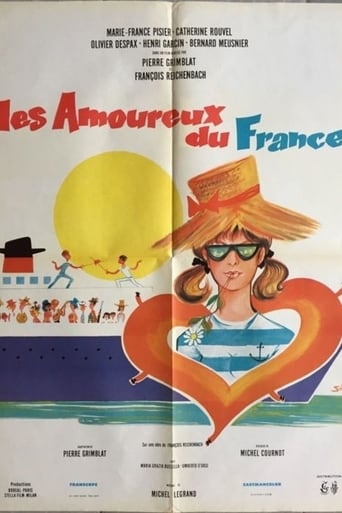
The Lovers of the France
Director · 1964
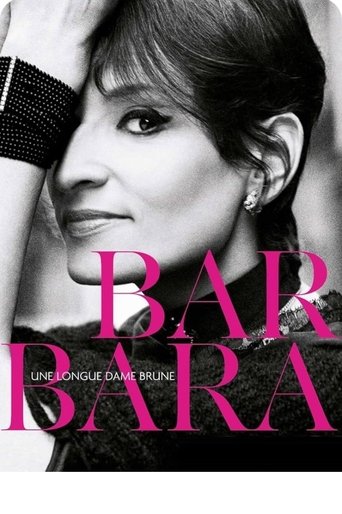
Barbara - Une longue dame brune
Director · 2004
B.B. in USA
Director · 1966
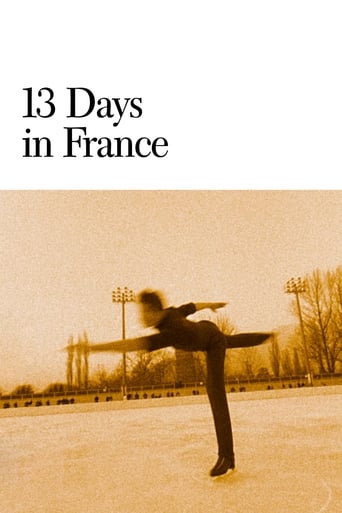
13 Days in France
Director · 1968
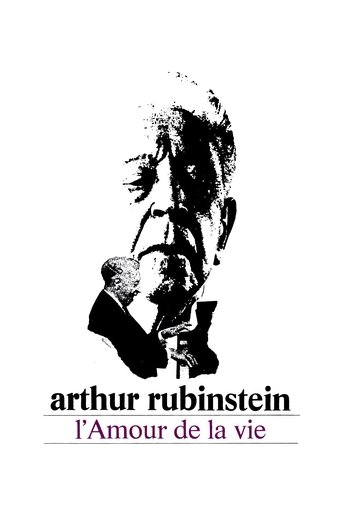
Arthur Rubinstein: The Love of Life
Director · 1969
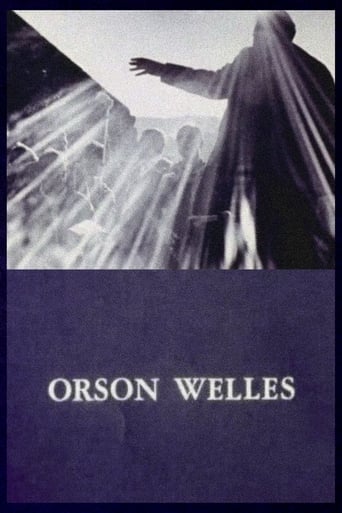
Portrait: Orson Welles
Director · 1968
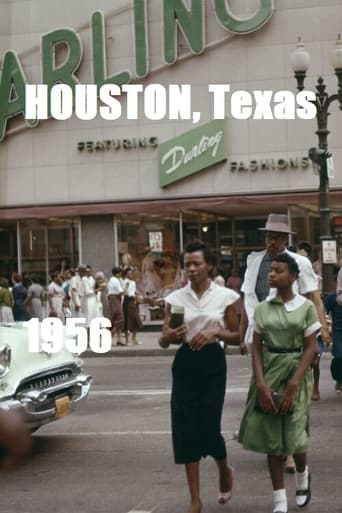
Houston, Texas
Director · 1956
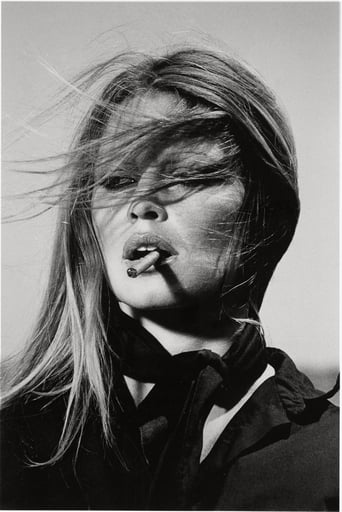
Spécial Bardot
Director · 1968
Acting
Spécial cinéma
Self · 1974

Michel Legrand, sans demi-mesure
Self (archive footage) · 2018
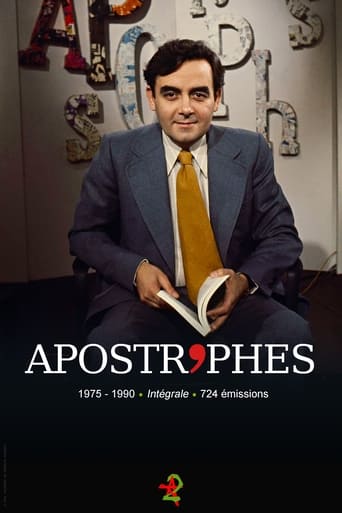
Apostrophes
Self · 1975
J'ai tout donné
Self · 1972
Houston, Texas
Self · 1981
Cinépanorama
Self · 1956
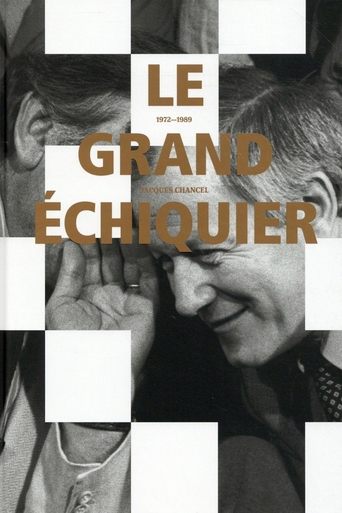
Le Grand Échiquier
Self · 1972
Life Love Death
Self · 1969
Sacrée Soirée
Self · 1987
Samedi soir
Self · 1971
L’Indiscret
François Reichenbach · 1974
Un metteur en ordre: Robert Bresson
Self · 1966
Writing
Impressions de New York
Writer · 1956
Yehudi Menuhin, chemin de lumière
Writer · 1970
Do You Hear the Dogs Barking?
Writer · 1975
America as Seen by a Frenchman
Writer · 1960
Portrait: Orson Welles
Writer · 1968
L'américain se détend
Writer · 1958
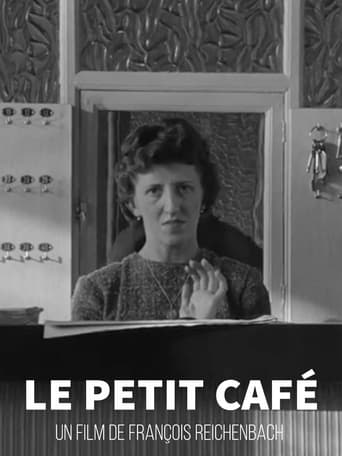
The Little Café
Writer · 1963
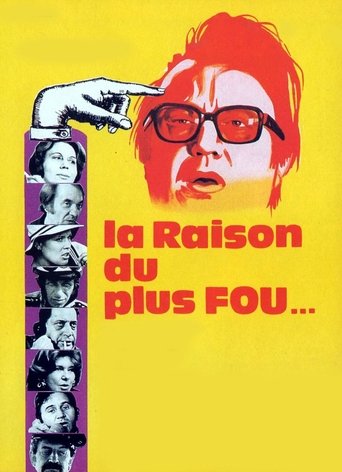
The Right of the Maddest
Writer · 1973

In Memory of Rock
Writer · 1963
L’Indiscret
Screenplay · 1974
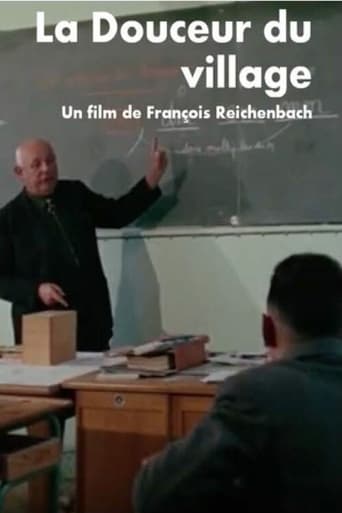
Village Sweetness
Writer · 1964