
Age-restricted? YouTube often blocks those trailers inside other sites. Use the button to watch on YouTube — you may need to sign in and confirm your age.
Watch on YouTubeTrailer from TMDb metadata; playback via YouTube. If the player shows a restriction, use "Watch on YouTube" above.
Community reviews
From TMDb members · 1 total- pablogeezer
Roger Ebert February 27, 1997 The heavyweight title fight between Muhammad Ali and George Foreman in Zaire on Oct. 30, 1974--”The Rumble in the Jungle”--is enshrined as one of the great sports events of the century. It was also a cultural and political happening. Into the…
Full text & links on TMDb in the reviews section below.
Your rating
Where to stream
Region US. Update where you watch
Subscription streaming

Rent, buy & download
 Amazon Video
 Apple TV Store
 Google Play Movies
 YouTube
 Fandango At Home
Opens partner listings via The Movie Database — not affiliated with WatchMind.
When We Were Kings
“The untold story of the Rumble in the Jungle.”
76%
Movie
1h 29m
AI Analysis
When We Were Kings (1996) — AI movie analysis
WatchMind AI generated this AI analysis of When We Were Kings (1996) — a movie tagged as Documentary, TV Movie, and History with epic moods and fast-paced pacing.
Story & themes: It's 1974. Muhammad Ali is 32 and thought by many to be past his prime. George Foreman is ten years younger and the heavyweight champion of the world. Promoter Don King wants to make a name for himself and offers both fighters five million dollars apiece to fight one another, and when they accept, King has only to c… Our models also surface themes such as ai from synopsis and genre signals.
Watch context: Best suited for general audiences. Expect fast-paced storytelling (~89 min).
Community signal: TMDb members rate When We Were Kings 76% (254 votes) — strong audience scores for this movie.
AI verdict
When We Were Kings is a film worth prioritising when you want something with strong audience scores — our AI analysis flags it as a strong match for its genre and tone profile.
Algorithmic AI analysis from genres, synopsis, pacing heuristics, and TMDb community scores — not a generative chatbot. How WatchMind works.
Insights
Audience & engagement
How WatchMind visitors interact with this title — views, saves, sentiment, and taste match when you're signed in, or a device preview while browsing. Aggregates are anonymous; last 30 days.
Early data — charts fill in as more people explore this title.
TMDb audience score
76%
from 254 TMDb votes
WatchMind sentiment
No thumbs or dismissals yet. Rate this title to help others see likeness trends.
- Dismissals
- 0
Engagement breakdown
0 unique visitors · no audience notes yet
Views trend (14 days)
Daily title page views on WatchMind
Synopsis
It's 1974. Muhammad Ali is 32 and thought by many to be past his prime. George Foreman is ten years younger and the heavyweight champion of the world. Promoter Don King wants to make a name for himself and offers both fighters five million dollars apiece to fight one another, and when they accept, King has only to come up with the money. He finds a willing backer in Mobutu Sese Suko, the dictator of Zaire, and the "Rumble in the Jungle" is set, including a musical festival featuring some of America's top black performers, like James Brown and B.B. King.
Quick facts
- Type
- Movie
- Status
- Released
- Release date
- 1996-10-25
- Runtime
- 1h 29m
- TMDB rating
- 7.6
- TMDB ID
- 10548
Watch & discovery tips
- Read TMDb member reviews in the reviews section, and audience tips from other WatchMind visitors in Audience notes.
- Use Rent, buy & download for official stores; offline viewing is usually inside their apps.
- Browse trending and top-rated movies from the main Movies page.
- Add titles to your watch queue from this page — order matters; the top pick can surface on your home page when you're logged into the same browser session.
Frequently asked questions
Where can I watch When We Were Kings (1996)?
When We Were Kings is available for discovery on WatchMind. You can find official links to rent, buy, or stream from licensed digital stores like Apple TV and Amazon in our "Where to Watch" section.
Is there an official trailer for When We Were Kings?
Yes, you can watch the official trailer for When We Were Kings directly on this page. We pull the latest video metadata from TMDb and play it via YouTube integration.
What is When We Were Kings about?
It's 1974. Muhammad Ali is 32 and thought by many to be past his prime. George Foreman is ten years younger and the heavyweight champion of the world. Promoter Don King wants to make a name for him... This is the official synopsis available via TMDb community metadata.
Is there an AI analysis for When We Were Kings?
Yes. WatchMind publishes an AI analysis on this page — tone, pacing, audience fit, and community scores from TMDb metadata and recommendation models (not a chatbot). Scroll to the AI Analysis section or read the meta description summary.
How long is the movie When We Were Kings?
The official runtime for When We Were Kings is approximately 89 minutes.
Cast & crew
Names and photos from The Movie Database (TMDb). Follow links on themoviedb.org for full filmographies.
Directors & writers
Cast
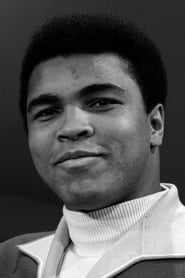
Muhammad Ali
Self
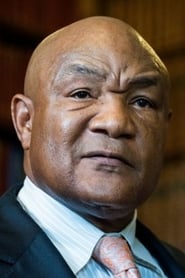
George Foreman
Self
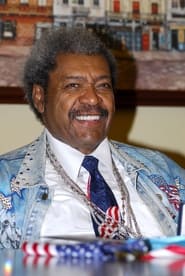
Don King
Self
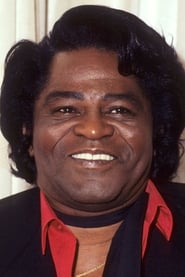
James Brown
Self
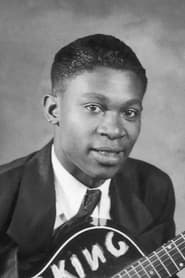
B.B. King
Self

Spike Lee
Self
- M
Mobutu Sese Seko
Self
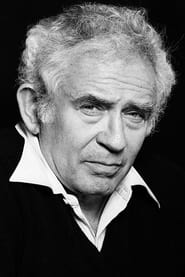
Norman Mailer
Self
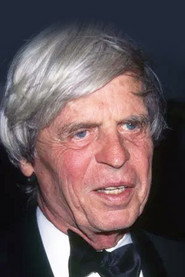
George Plimpton
Self
Malick Bowens
Self
- L
Lloyd Price
Self

Miriam Makeba
Self
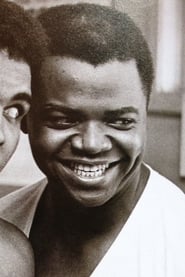
Drew Bundini Brown
Self
- O
Odessa Clay
Self
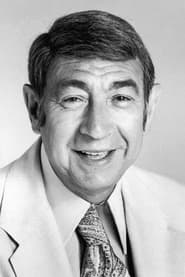
Howard Cosell
Self
- W
Wilton Felder
Self
- W
Wayne Henderson
Self
- S
Stix Hooper
Self
Audience notes
Quick tips, watch-order ideas, and “worth it?” takes from other WatchMind visitors — not from TMDb. Reply to continue a thread, tap Helpful to surface useful notes, and keep things kind — no spoilers in the first line when you can help it.
Discussion0 notes
No notes yet — be the first to leave a suggestion for the next viewer.
Community reviews
Written by TMDb members — same catalogue as our movie & TV metadata. API terms
Roger Ebert February 27, 1997 The heavyweight title fight between Muhammad Ali and George Foreman in Zaire on Oct. 30, 1974--”The Rumble in the Jungle”--is enshrined as one of the great sports events of the century. It was also a cultural and political happening. Into the capital of Kinshasa flew planeloads of performers for an “African Woodstock,” TV crews, Howard Cosell at the head of an international contingent of sports journalists, celebrity fight groupies like Norman Mailer and George Plimpton, and of course the two principals: Ali, then still controversial because of his decision to be a conscientious objector, and Foreman, now huggable and lovable in TV commercials but then seen as fearsome and forbidding. “I'm young, I'm handsome, I'm fast, I'm strong, and I can't be beat,” Ali told the press. They didn't believe him. Foreman had destroyed George Frazier, who had defeated Ali. Foreman was younger, bigger and stronger, with a punch so powerful, Mailer recalled, “that after he was finished with a heavy punching bag, it had a depression pounded into it.” Ali was 33 and thought to be over the hill. The odds were 7-1 against him. The Zaire that they arrived in was a country much in need of foreign currency and image refurbishment. Under the leadership of Mobutu Sese Seko (“the archetype of a closet sadist,” said Mailer), the former Belgian Congo had became a paranoid police state; the new stadium built to showcase the fight was rumored to hold 1,000 political prisoners in cells in its catacombs. Don King, then at the dawn of his career as a fight promoter, had sold Mobutu on the fight and raised $5 million for each fighter. The “African Woodstock,” featuring such stars as B.B. King, James Brown and Miriam Makeba, was supposed to pay for part of that. For Ali, the fight in Africa was payback time for the hammering he'd taken in the American press for his refusal to fight in Vietnam. For Foreman, it was more complicated. So great was the pro-Ali frenzy, Foreman observed, that when he got off the plane the crowds were surprised to find that he was also a black man. “Why do they hate me so much?” he wondered. Leon Gast's “When We Were Kings,” which just received an Oscar nomination, is like a time capsule; the original footage has waited all these years to be assembled into a film because of legal and financial difficulties. It is a new documentary of a past event, recapturing the electricity generated by Muhammad Ali in his prime. Spike Lee, who with Mailer and Plimpton provides modern commentary on the 1974 footage, says young people today do not know how famous and important Ali was. He is right. “When I fly on an airplane,” Ali once told me, “I look out of the window and I think, I am the only person that *everyone* down there knows about.” It is not bragging if you are only telling the truth. The original film apparently started as a concert documentary. Then the fight was delayed because of a cut to Foreman's eye. The concert went ahead as scheduled, and then the fighters, their entourages and the press settled down to wait for the main event. No one really thought Ali had a chance--perhaps not even Ali, who seems reflective and withdrawn in a few private moments, although in public he predicted victory. How could he have a chance, really? Hadn't he lost his prime years as a fighter after he refused to fight in Vietnam? (“I ain't got no quarrel with the Viet Cong,” he explained.) Wasn't Foreman bigger, faster, stronger, younger? History records Ali's famous strategy, the “Rope-a-Dope” defense, in which he simply outwaited Foreman, absorbing incalculable punishment until, in the eighth round, Foreman was exhausted and Ali exploded with a series of rights to the head, finishing him. Was this, however, really a strategy at all? “When We Were Kings” gives the impression that Ali got nowhere in the first round and adopted the Rope-a-Dope almost by default. Perhaps he knew, or hoped, that he was in better condition than Foreman, and could outlast him if he simply stayed on his feet. It is certain that hardly anyone in Zaire that night, not even his steadfast supporter Cosell, thought that Ali could win; the upset became an enduring part of his myth. “When We Were Kings” captures Ali's public persona and private resolve. As heavyweight champion during the Vietnam War, he could easily have arrived at an accommodation with the military, touring bases in lieu of combat duty. Although he was called a coward and a draft dodger, surely it took more courage to follow the path he chose. And yet it is remarkable how ebullient, how joyful, he remained even after the price he paid; how he is willing to be a clown and a poet as well as a fighter and an activist. Seeing the film today inspires poignant feelings; we contrast younger Ali with the ailing and aging legend, and reflect that this fight must have contributed to the damage that slowed him down. It is also fascinating to contrast the young Foreman with today's much-loved figure; he, too, has grown and mellowed. When the movie was made all of those developments were still ahead; there is a palpable tension, as the two men step into the ring, that is not lessened because we know the outcome.

More to explore
Hand-picked from TMDb similar and recommended lists for When We Were Kings. Each link opens a full WatchMind page with synopsis, trailer, community reviews, and official store links—so you can compare tone and audience overlap before you pick what to watch next.
David Byrne's American Utopia
Documentary · Music

Sidney
Documentary
The Class of ‘92
Documentary
Jackie Chan: My Story
Documentary
Searching for Sugar Man
Documentary · Music
Cold Case Hammarskjöld
Documentary · History

Miss Americana
Documentary · Music
The Beatles: Get Back - The Rooftop Concert
Documentary · Music
Thriller 40
Documentary · Music
Whitney
Documentary · Music
Ozzy: No Escape from Now
Documentary

God Bless Ozzy Osbourne
Documentary · Music